
Become creative and write the preferred programs with this utility that offers a modern implementation of the BBC BASIC programming language. #Programming language #BASIC language #Program editor #BASIC #Programming #Language

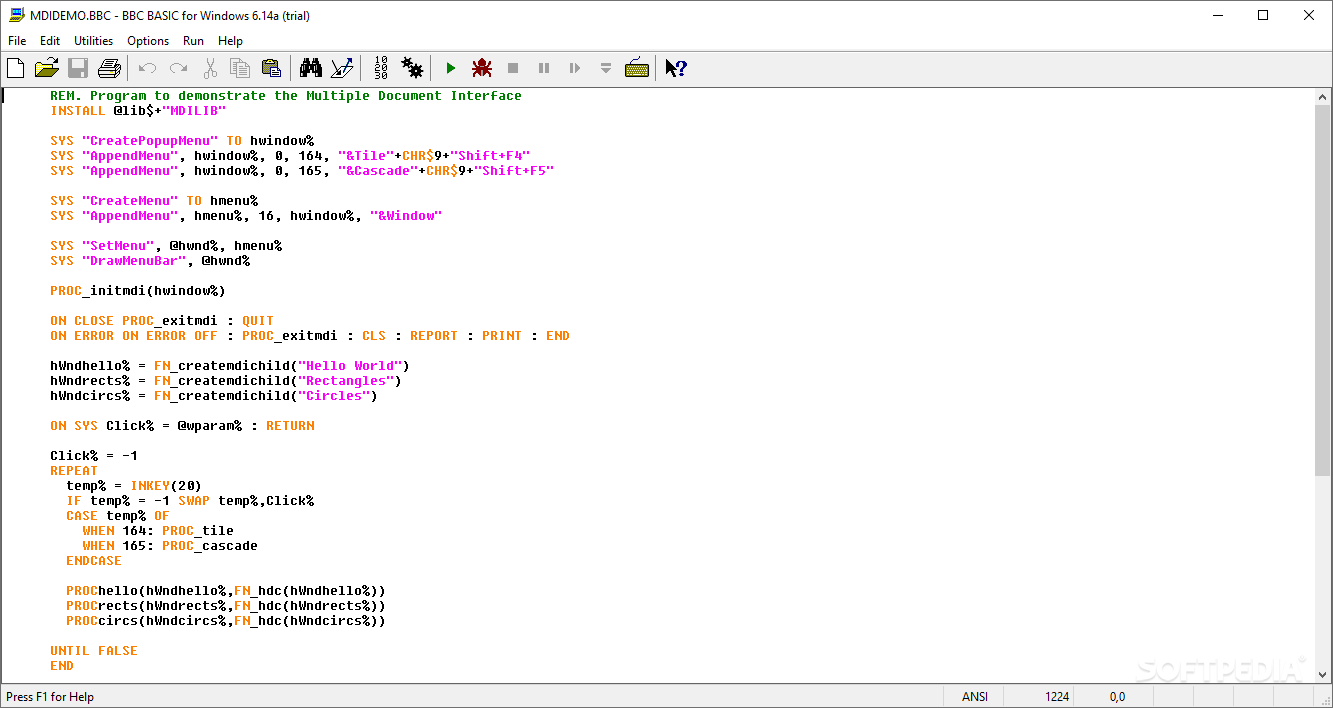
Coding enthusiasts and those who have a long run using the BBC BASIC programming language for their programs could be seeking for a way of still performing such tasks on their modern PCs. BBC BASIC was created in order to provide users the same, old, trusty programming language, but this time packed in a more accessible, modern software solution.
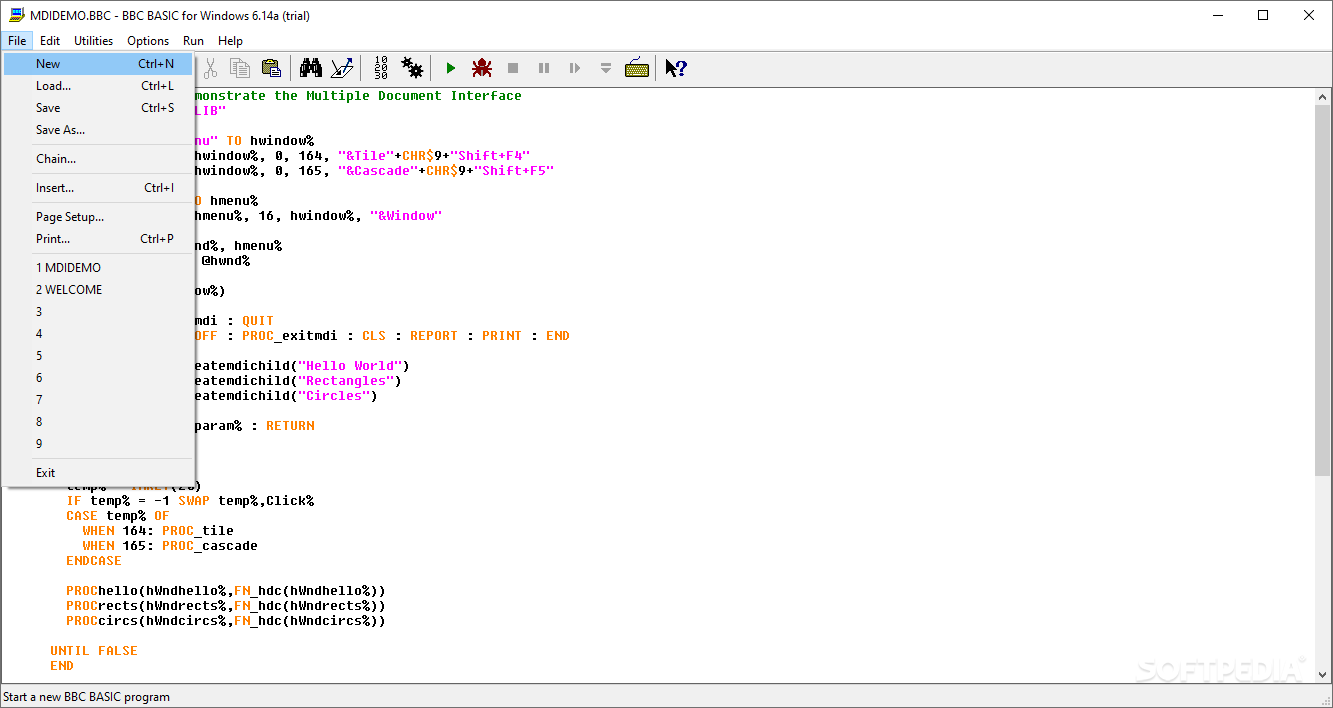
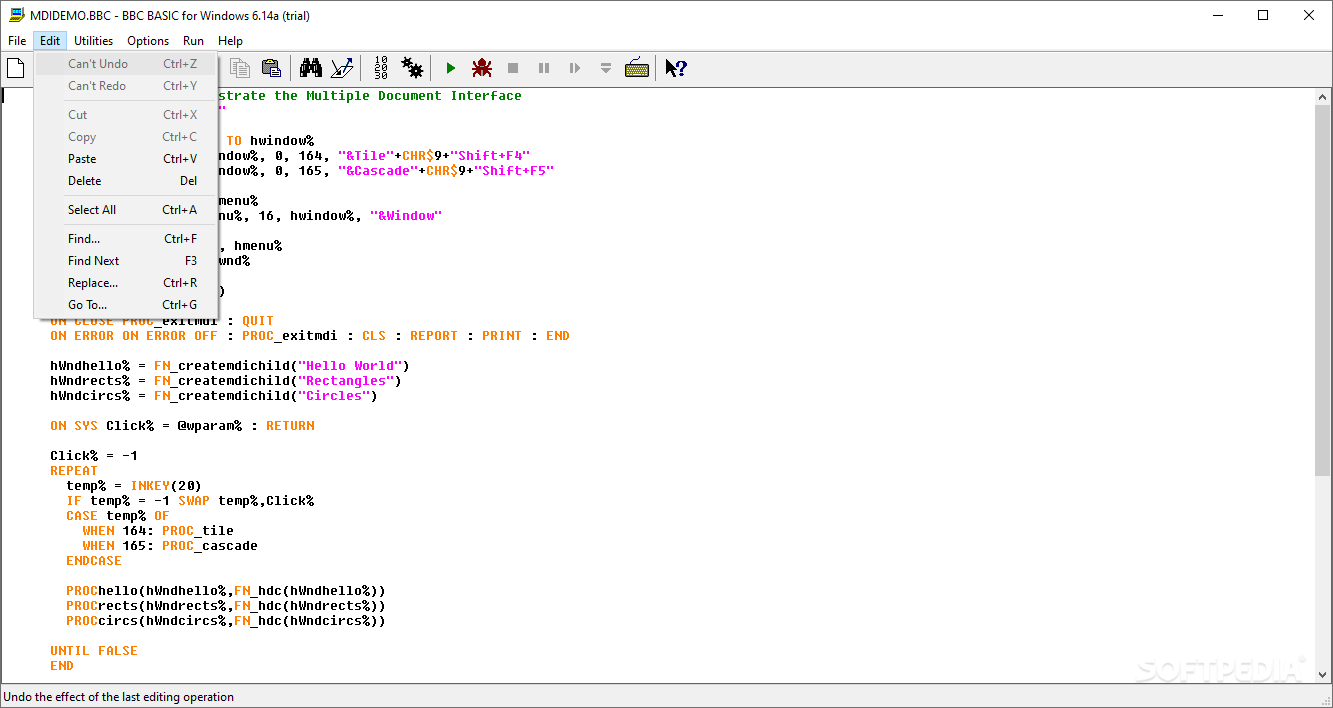
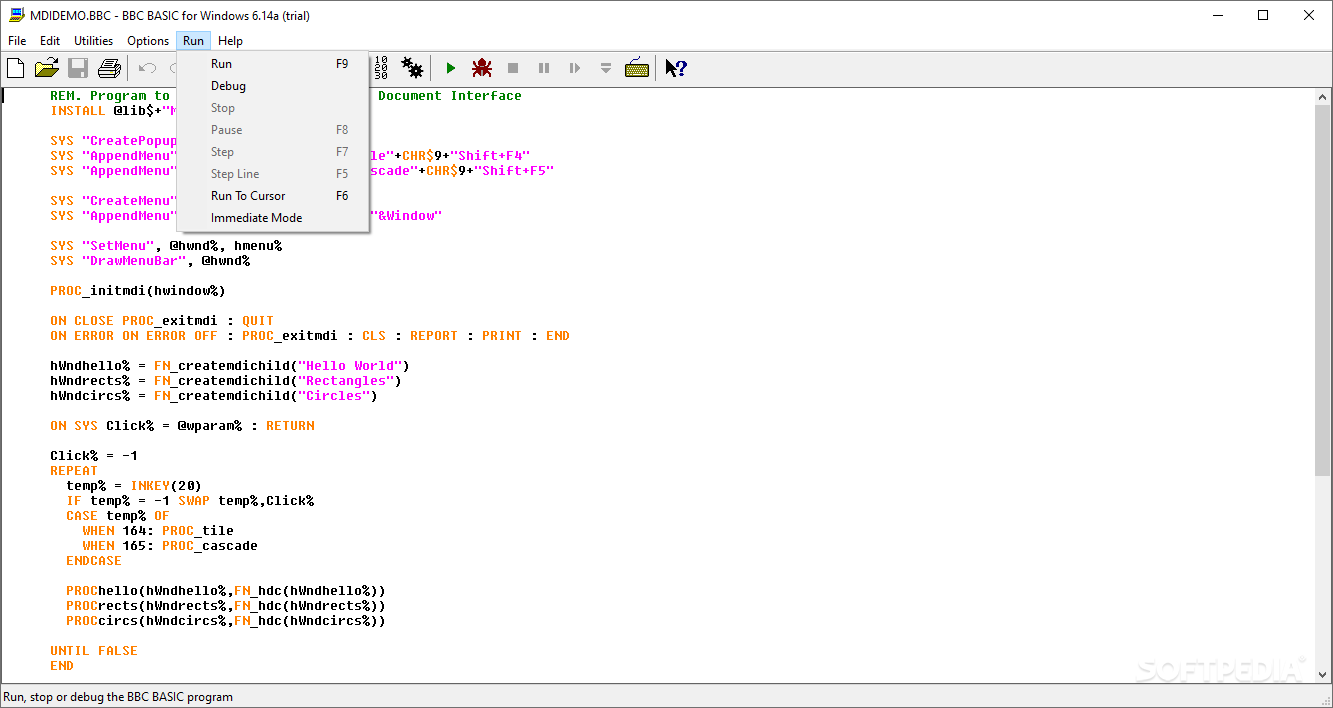
The application offers users a simple interface that doesn’t impress through its looks by any means, but it manages to provide a better representation than the old, classic BASIC interfaces. One will be able to access several predefined buttons that offer some of the most commonly used features ready for use in just one click.
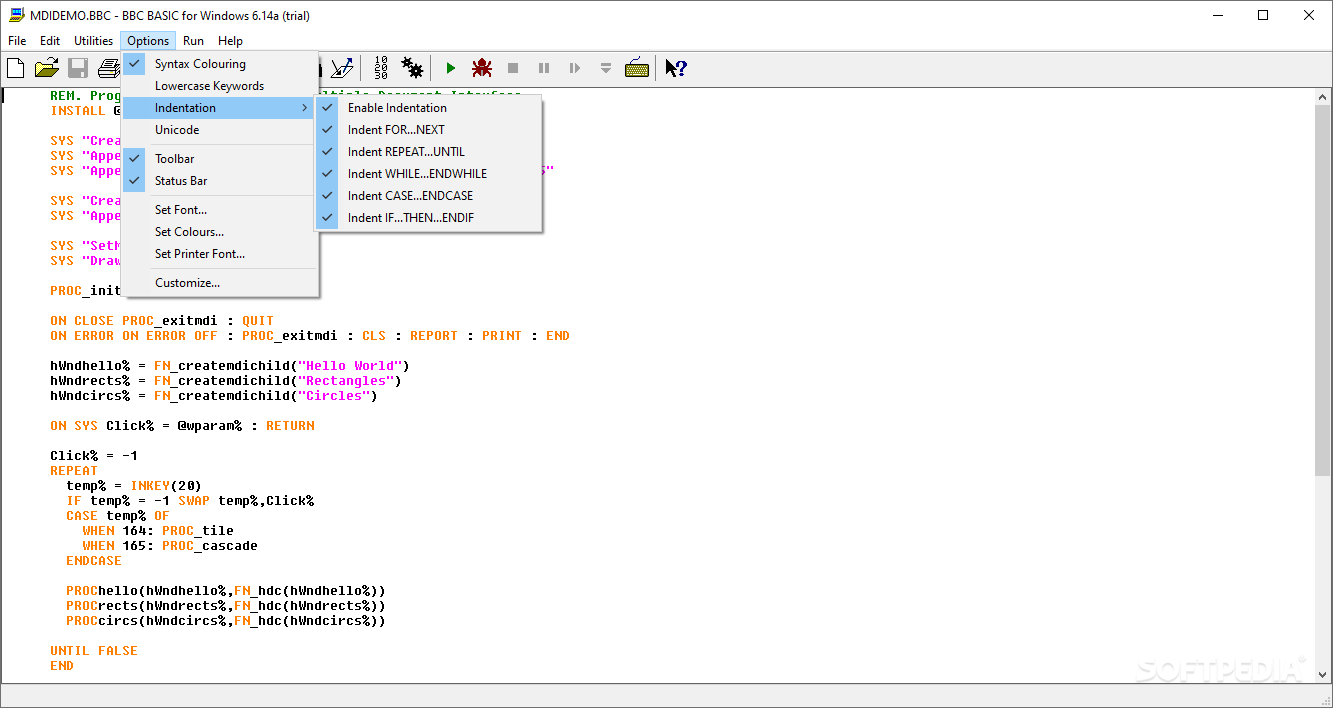
One will be able to quickly load existent BASIC programs or input code freely and the application offers several well-deserved syntax formatting options. For instance, people will be able to use differential syntax coloring, which helps distinguish between the different commands much easier.
Users will benefit from a very useful “quick-find” feature, which will allow them to quickly identify the different operators present in the block of code. One simply needs to right-click on the interface and a list of all the used operators will be provided, each one leading to the exact position in the string.
After inputting the preferred code, one will be able to compile it, renumber the favorite lines or list the available variables, all in just a few mouse clicks. People can debug the code or run it in order to preview the resulting program.
This application addresses those who still want to use the BBC BASIC programming language and need a more modern interface to help them write their programs. It will offer them an accessible package that offers several on-screen controls for added efficiency and other enhancements such as syntax coloring. Providing a more convenient approach and a well-designed interface, BBC BASIC does a good job at bringing back the old programming language in a new interface.
What's new in BBC BASIC 6.15a:
- Fixed a few bugs, added SUM operator, implemented GCOL 5-7, better support for odd-value graphics coordinates, increased palette size to 256 entries.
BBC BASIC 6.15a
add to watchlist add to download basket send us an update REPORT- runs on:
- Windows All
- file size:
- 6.6 MB
- filename:
- bbcwdemo.exe

- main category:
- Programming
- developer:
- visit homepage
Microsoft Teams
calibre
paint.net
Zoom Client
IrfanView
7-Zip
Bitdefender Antivirus Free

ShareX
Windows Sandbox Launcher
4k Video Downloader
- ShareX
- Windows Sandbox Launcher
- 4k Video Downloader
- Microsoft Teams
- calibre
- paint.net
- Zoom Client
- IrfanView
- 7-Zip
- Bitdefender Antivirus Free