
Commercial-grade application for load, stress and performance testing regarding Internet applications, which features numerous templates, in-depth reports, and other tools #Load testing #Stress testing #Performance metrics #Load #Testing #Stress

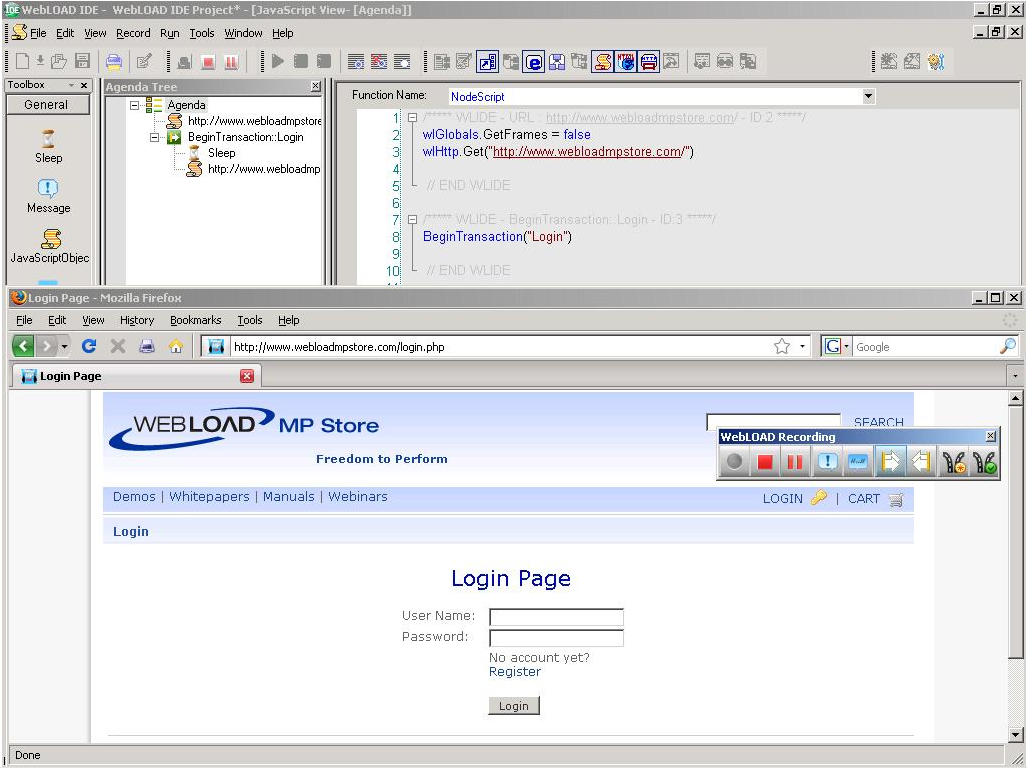
WebLoad is a comprehensive software utility made for advanced PC users looking to run benchmarks on the computer when it comes to its performance abilities.
The setup procedure is pretty lengthy and there are several options put at your disposal. You can either install the WebLoad console which includes all the program's components, or just the load generator to use the PC as a load machine. Regardless of the chosen option, you can also install the load generator as a service.
The Postgre SQL database system is also included in the package, and it should be installed on the PC in order for the utility to work, unless it already exists.
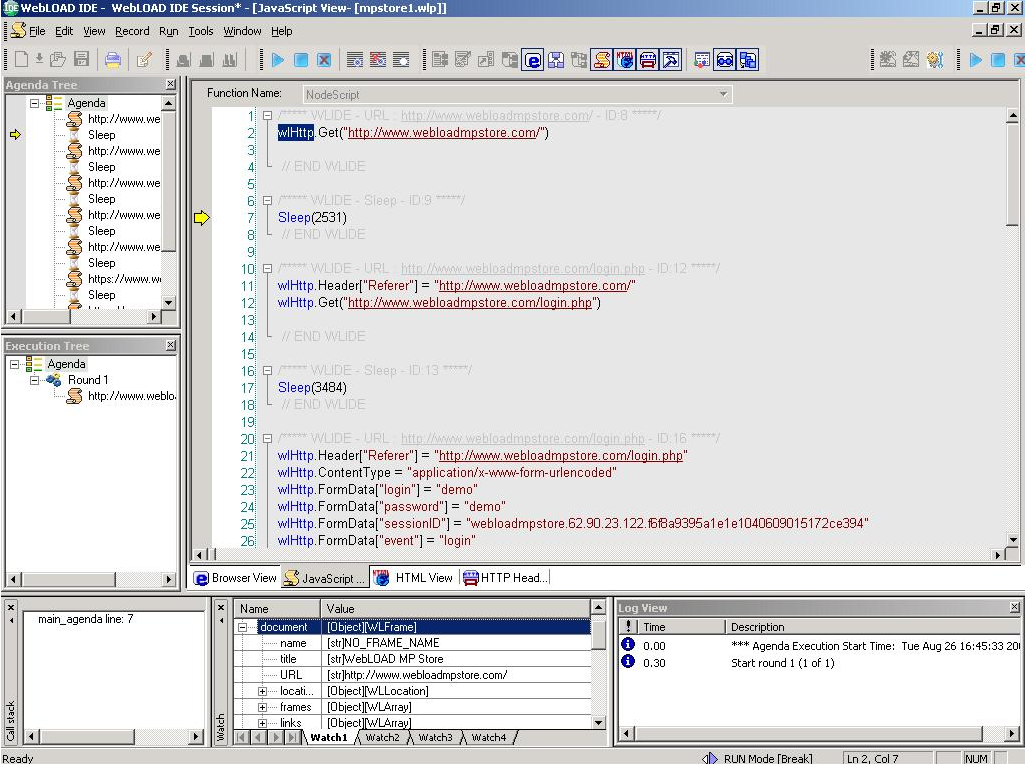
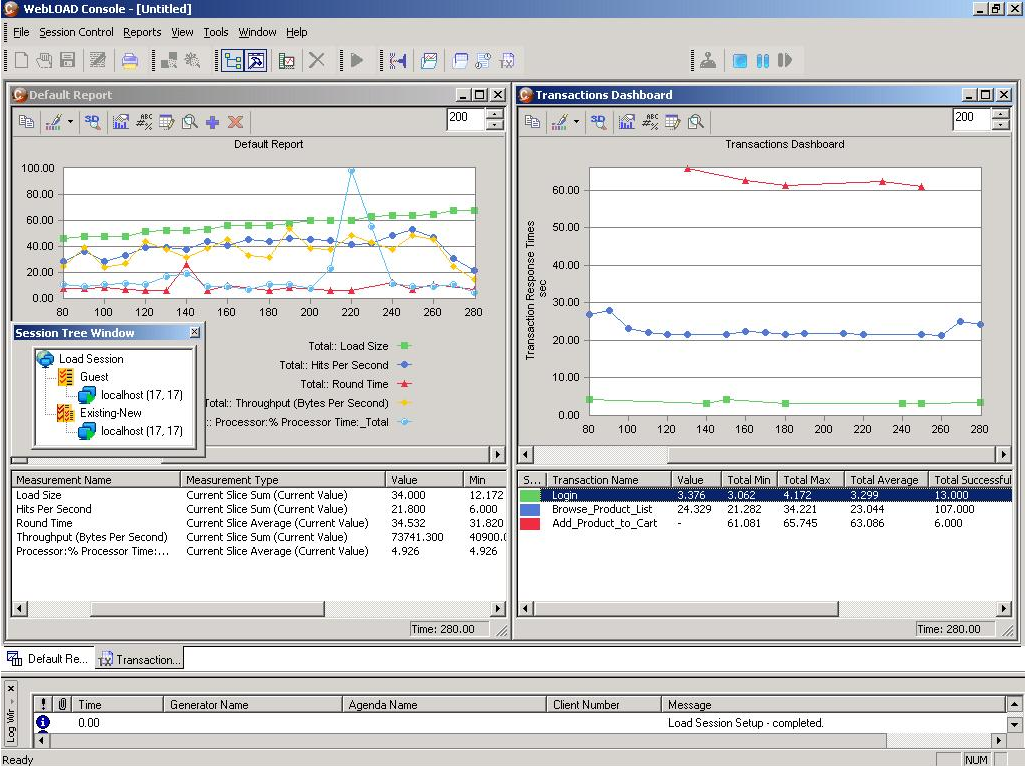
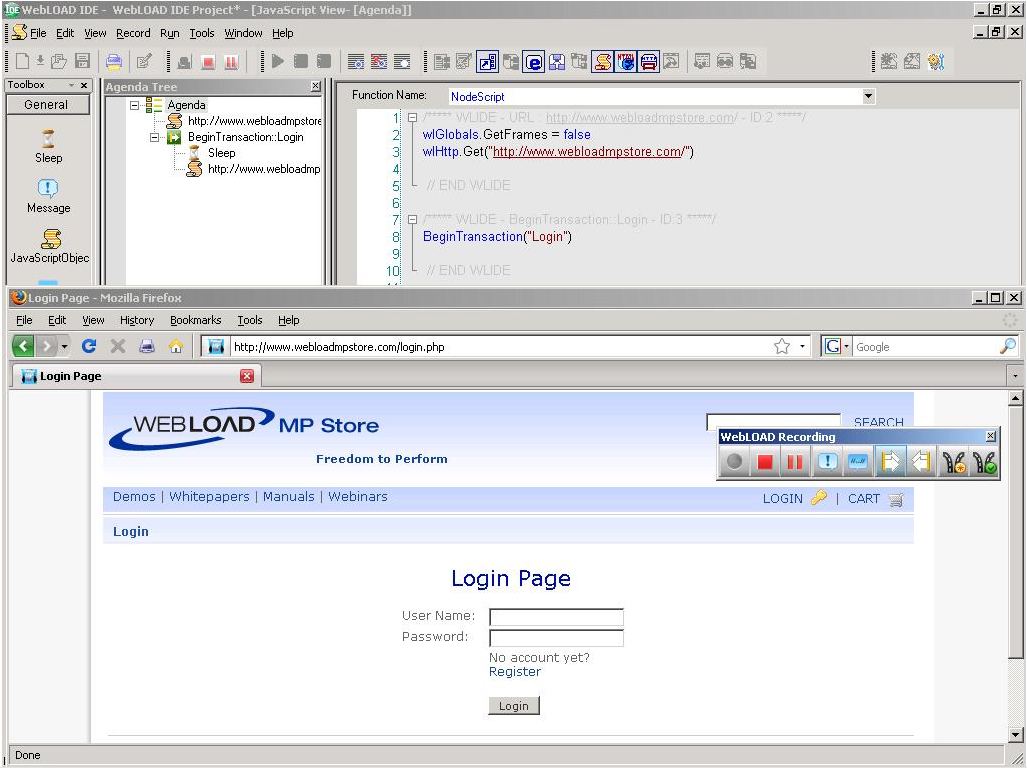
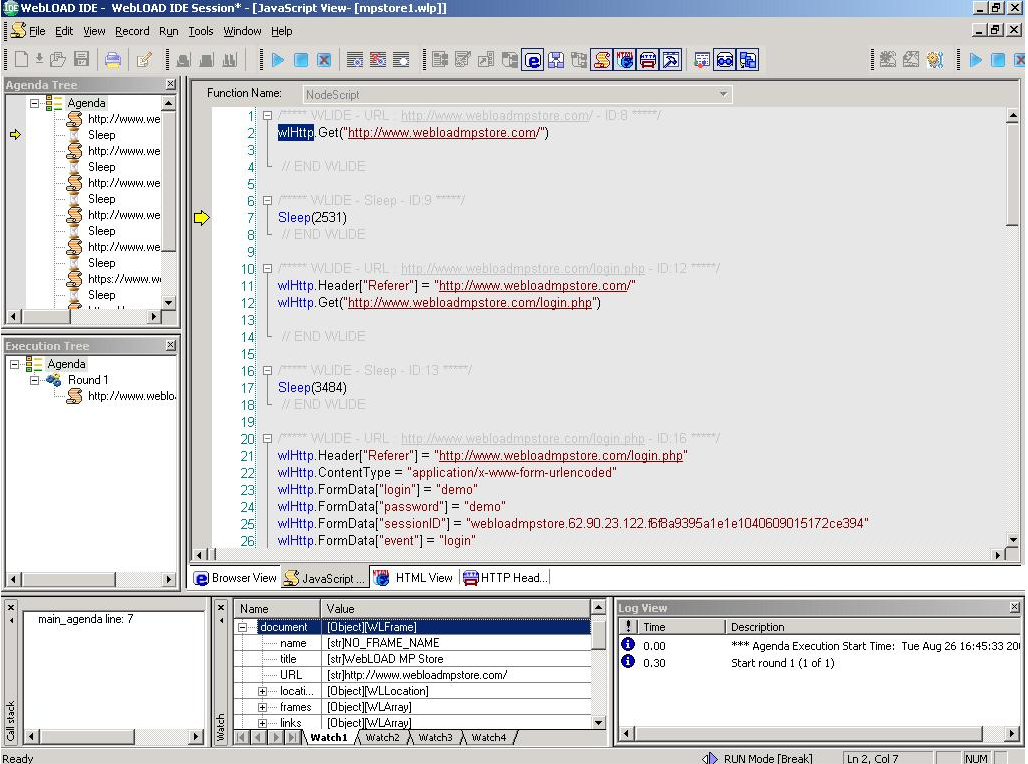
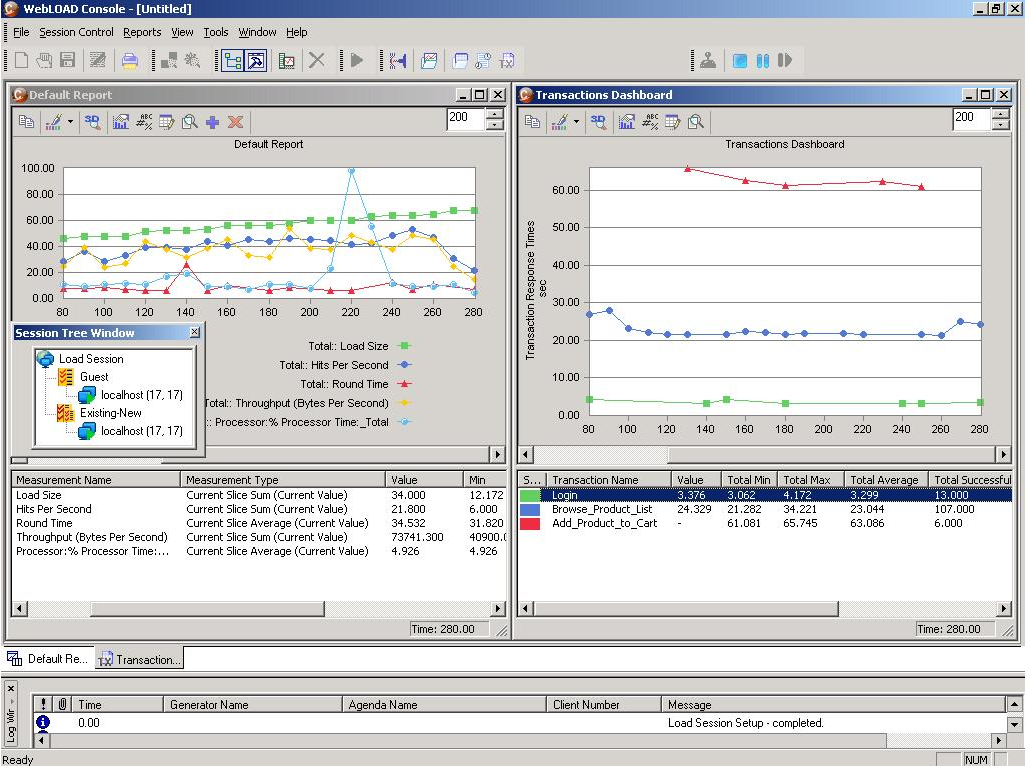
The welcome screen shows the three primary components: you can create and edit scripts by loading the WebLoad IDE, create and run tests by launching the WebLoad console, as well as analyze the load tests results via WebLoad Analytics, respectively.
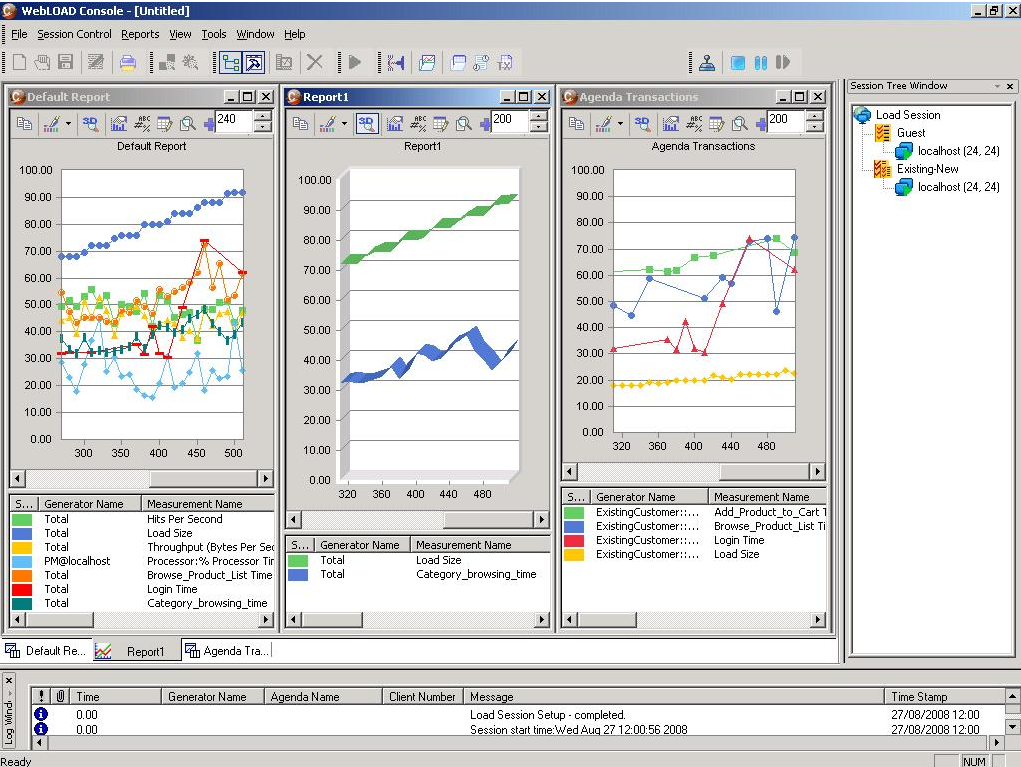
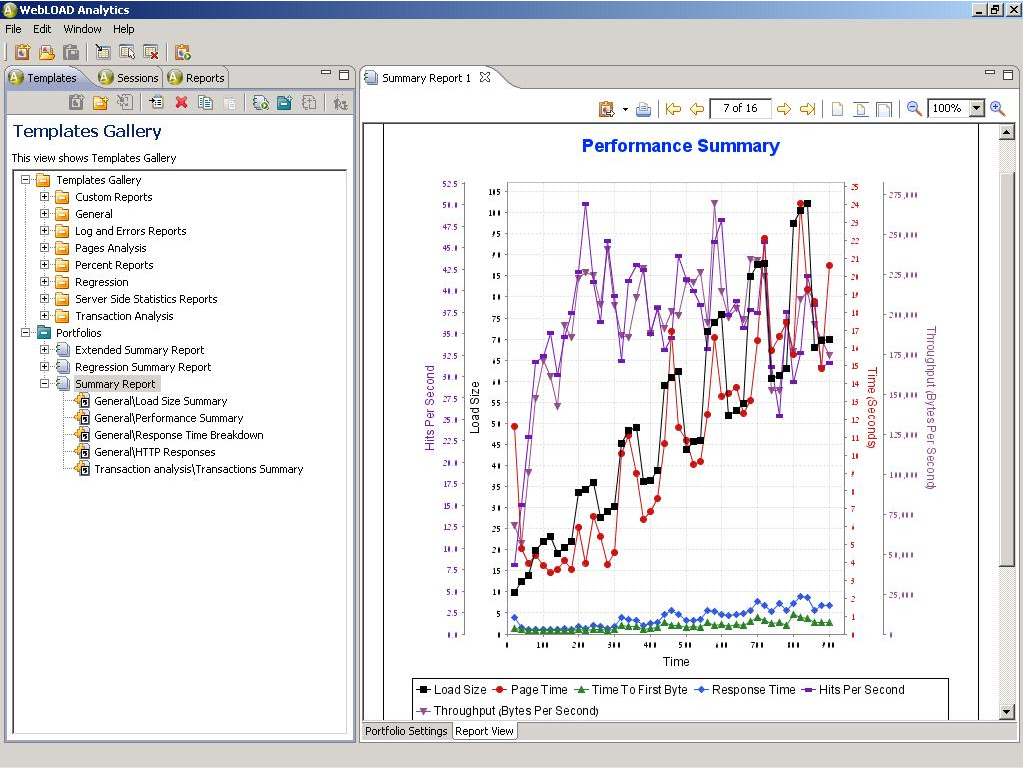
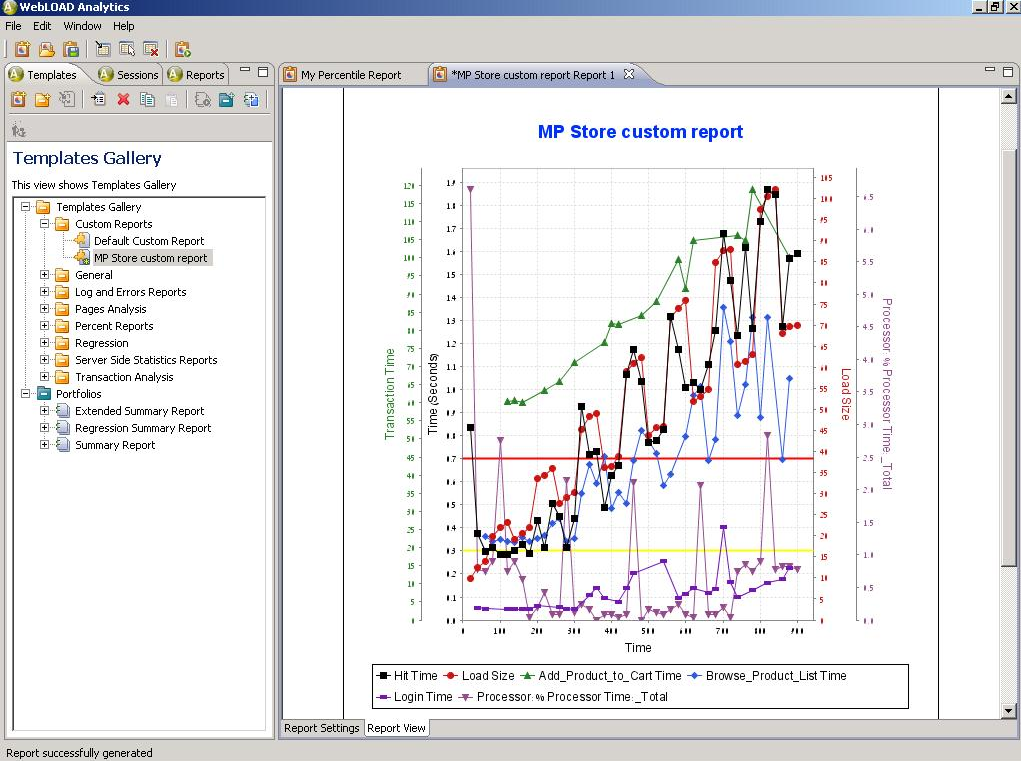
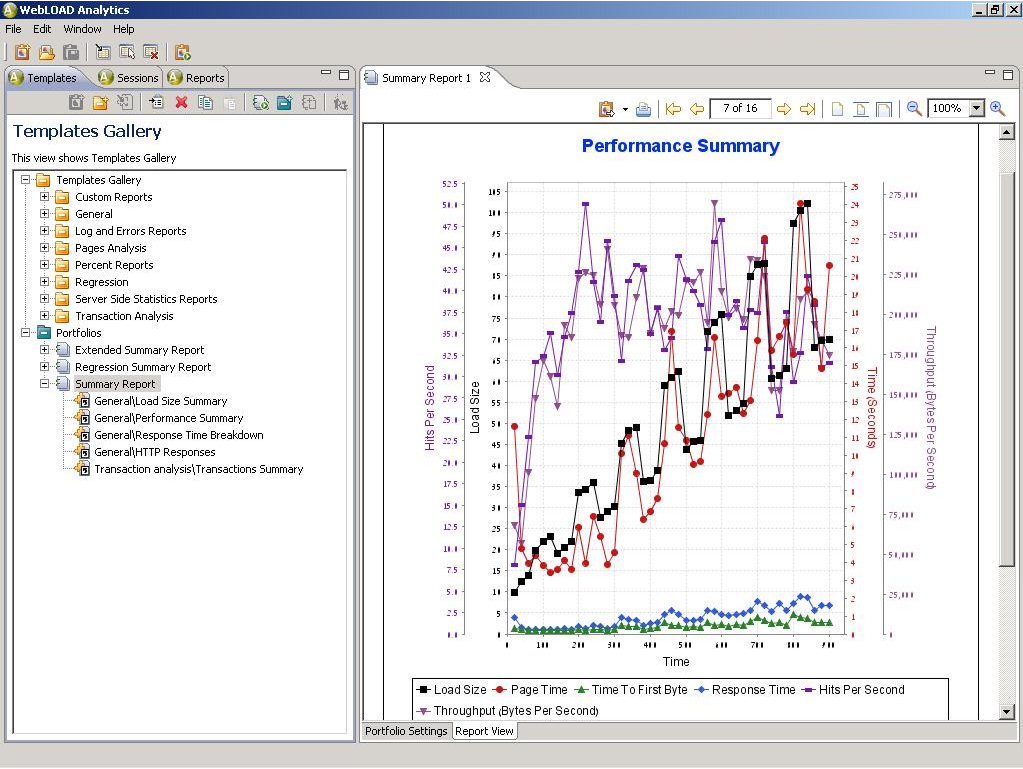
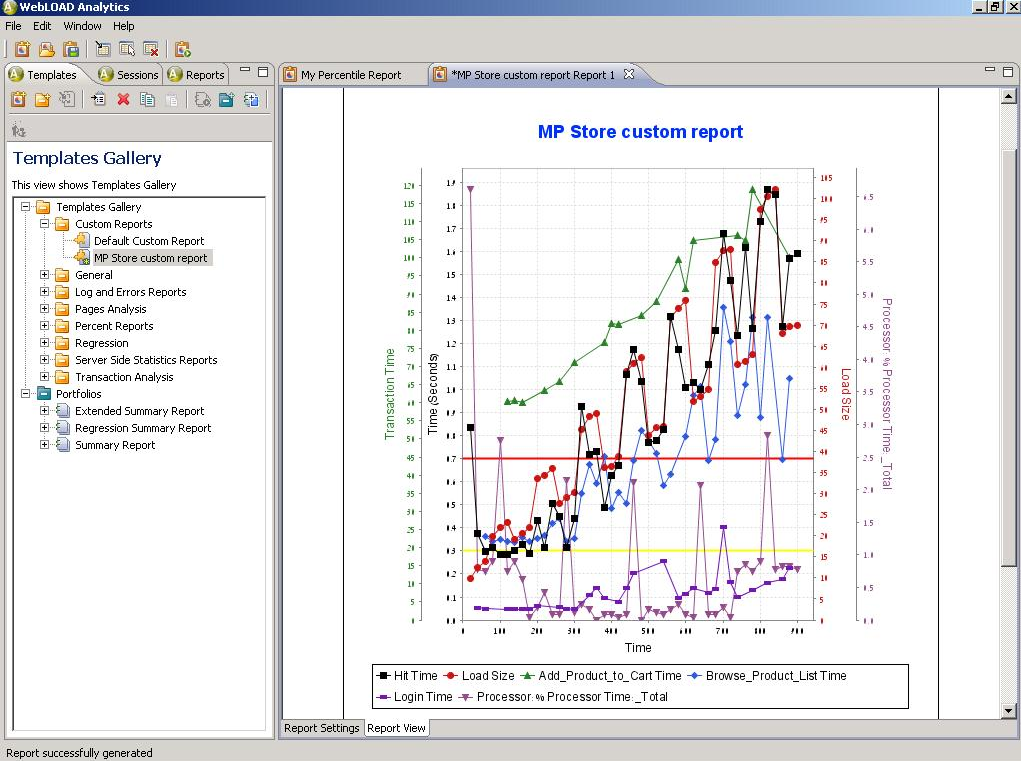
The software application comprises a wide range of features. For example, you can use templates with custom, log and error reports, pages and transaction analysis, percent reports, regression, and so on. Graphical representations may be thoroughly studied to interpret results and export them to files.
Multiple tabs are supported, so you can open multiple types of reports at once. Web pages may be run alongside WebLoad to record scripts and accurately evaluate performance details in HTML or JavaScript viewing mode.
The app runs on a significant amount of CPU and RAM, which is normal for a benchmarking application. It executed commands swiftly and generally worked smoothly in our tests. On the other hand, it froze several times when we attempted to create new projects for recording and editing scripts, and we eventually had to terminate the app's process to restart it.
Nevertheless, WebLoad has a lot to offer to serious users who want to run multipurpose and critical tests on their Internet applications, especially considering the fact that it's free.
What's new in WebLoad 10.1.146:
- Continuous Integration with WebLOAD:
- You can now automatically perform load and performance testing as part of your continuous integration initiative using WebLOAD. By performing automated load testing early and often, you can identify and resolve performance issues during the development process, when they are easiest to fix.
- The WebLOAD plug-in for Jenkins makes your performance testing as agile as your product development. The Jenkins server can automatically launch WebLOAD whenever a new build is triggered. WebLOAD’s regression and trend reports enable you to accurately pinpoint where the problem started and to associate code changes with performance issues.
WebLoad 10.1.146
add to watchlist add to download basket send us an update REPORT- runs on:
-
Windows 2008
Windows 2003
Windows 8
Windows 7
Windows Vista
Windows XP
Windows 2K - file size:
- 362 MB
- filename:
- WebLOAD-Professional-10.1.0.146.en.exe

- main category:
- Internet
- developer:
- visit homepage
4k Video Downloader

7-Zip
Context Menu Manager
Bitdefender Antivirus Free

Windows Sandbox Launcher
IrfanView

calibre

ShareX
Zoom Client

Microsoft Teams

- ShareX
- Zoom Client
- Microsoft Teams
- 4k Video Downloader
- 7-Zip
- Context Menu Manager
- Bitdefender Antivirus Free
- Windows Sandbox Launcher
- IrfanView
- calibre