
Highly flexible note-taking application that provides a simple way to manage a large number of notes and to connect them via links. #Tabbed notebook #Note organizer #Multi-level note #Note #Notebook #Node
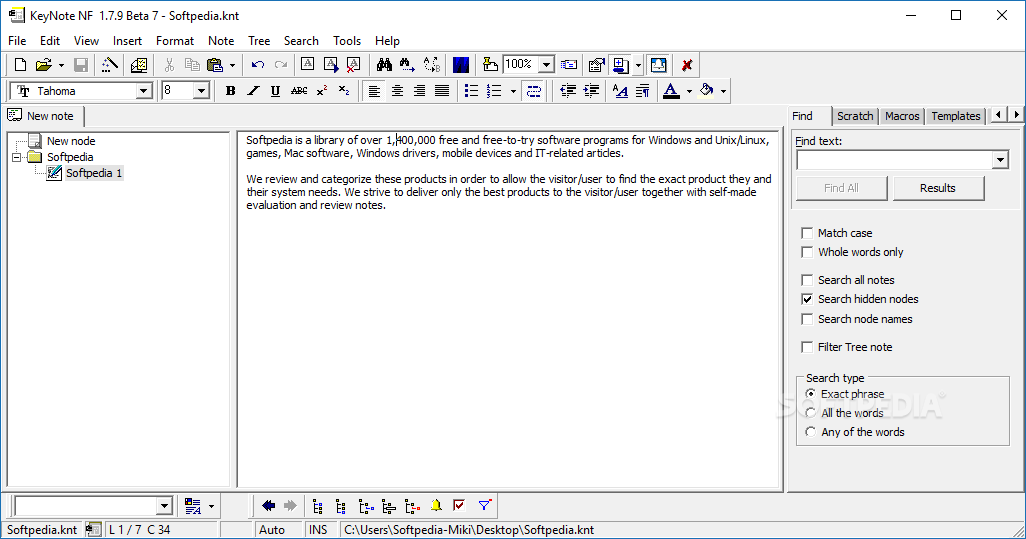
Note-taking applications, even rich text editors, are far from being complex pieces of software as they are too simple in purpose and do not require too many options and functions.
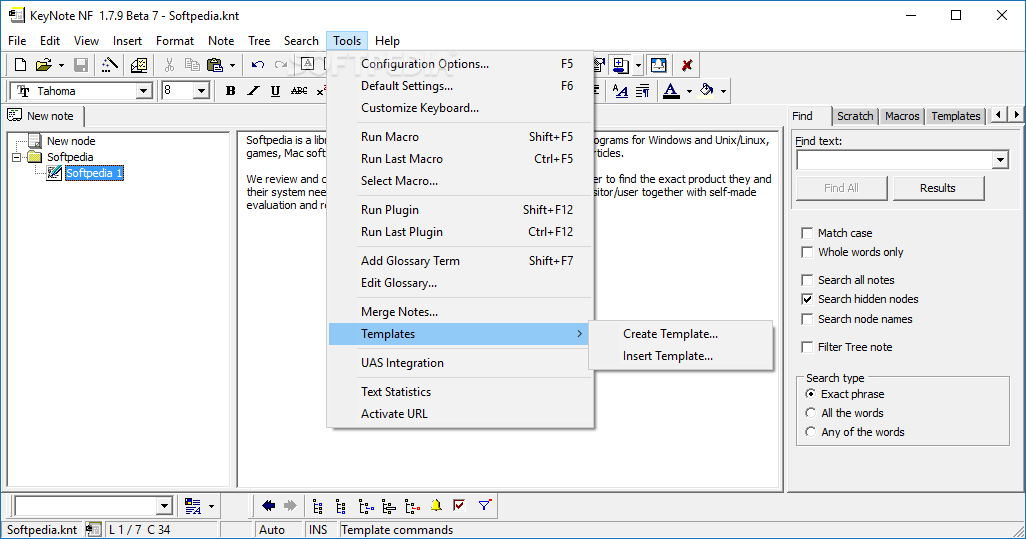
Although KeyNote NF (New Features) is part of this software category, from the first glance it reveals that it can offer something more than a means to jot down some text.
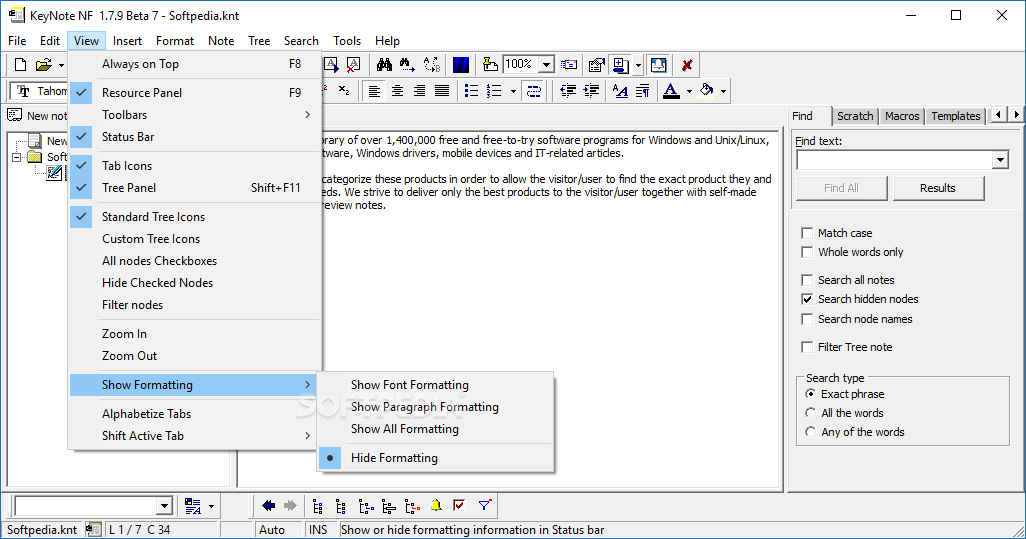
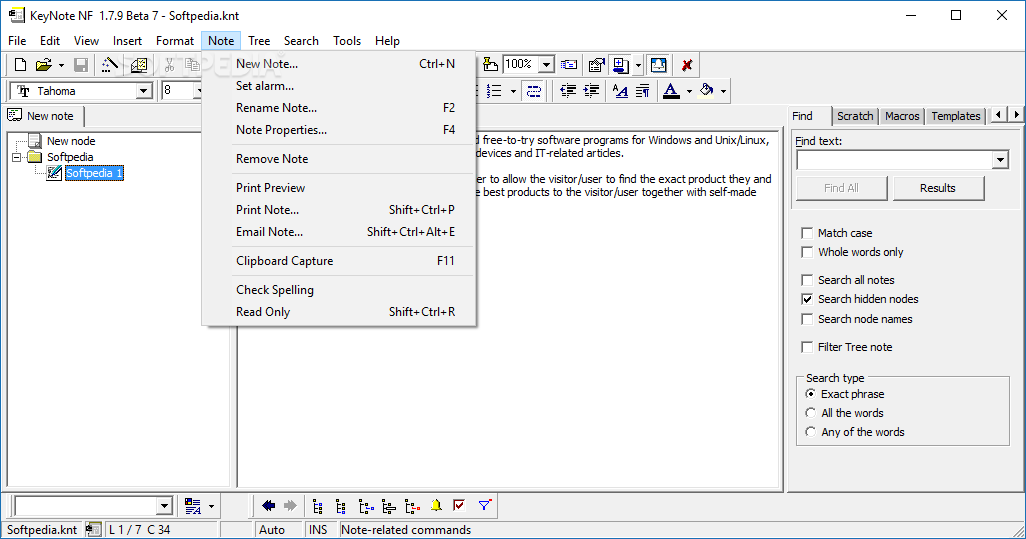
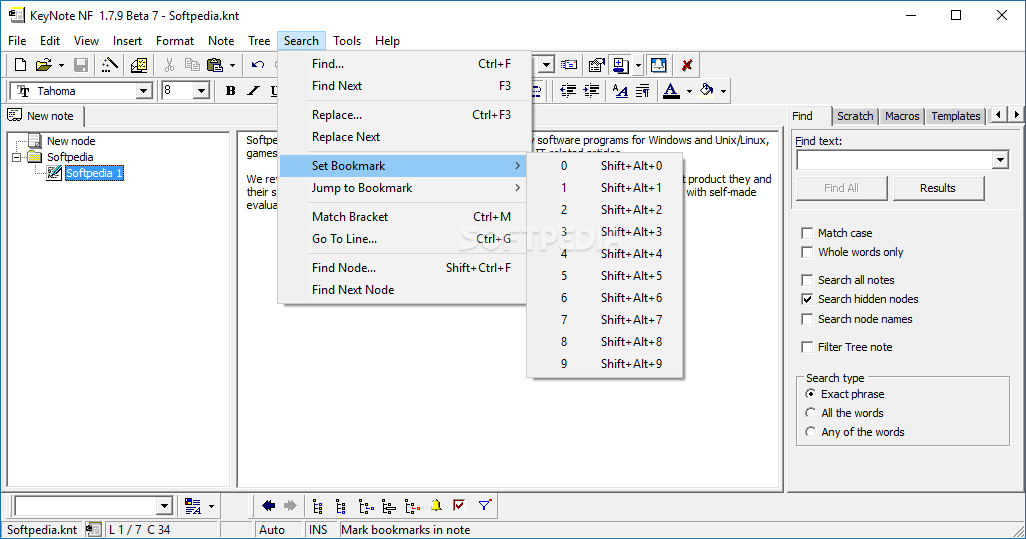
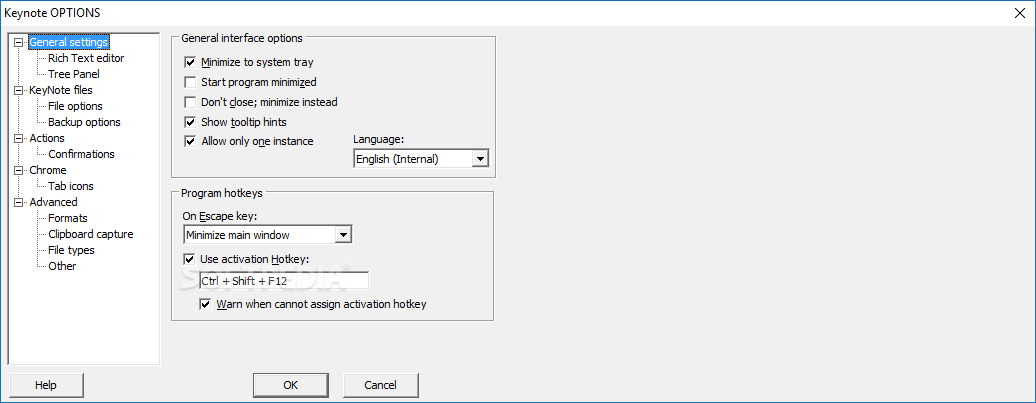
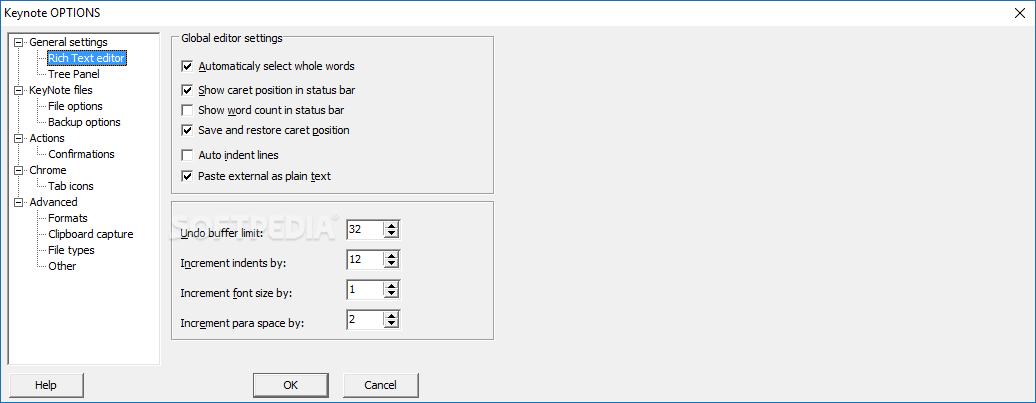
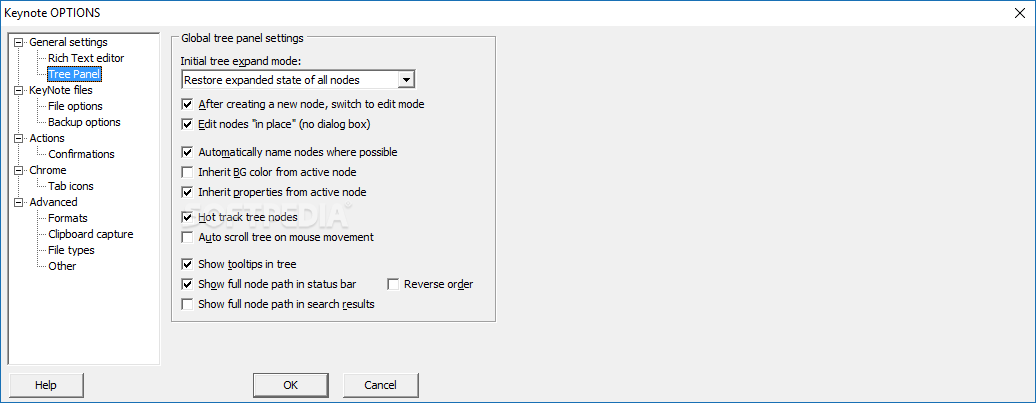
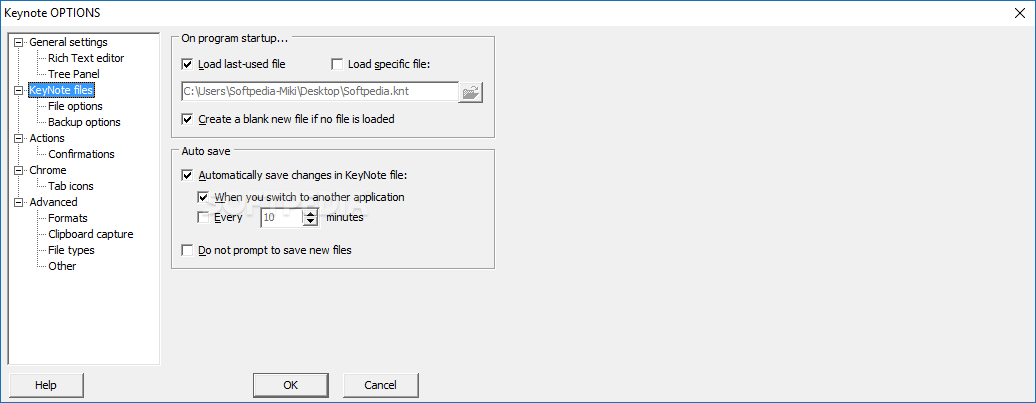
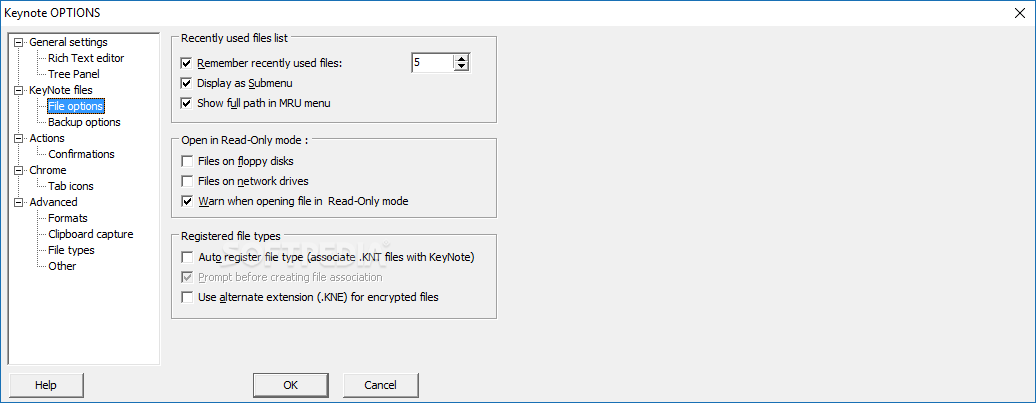
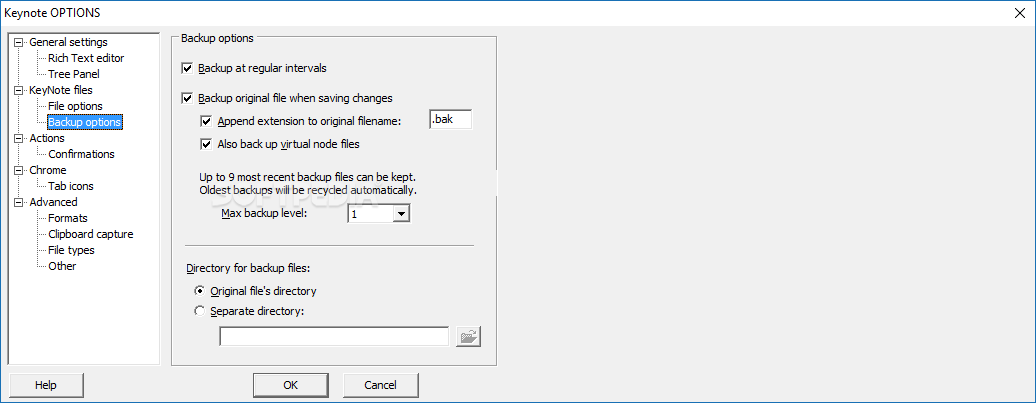
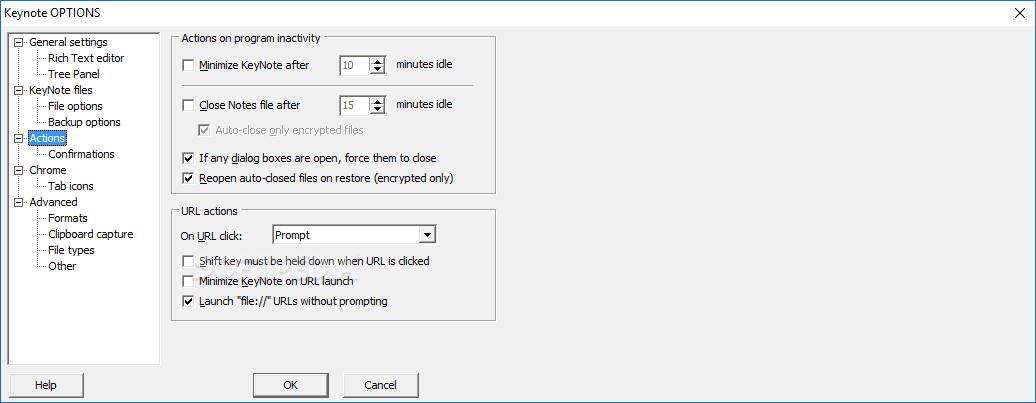
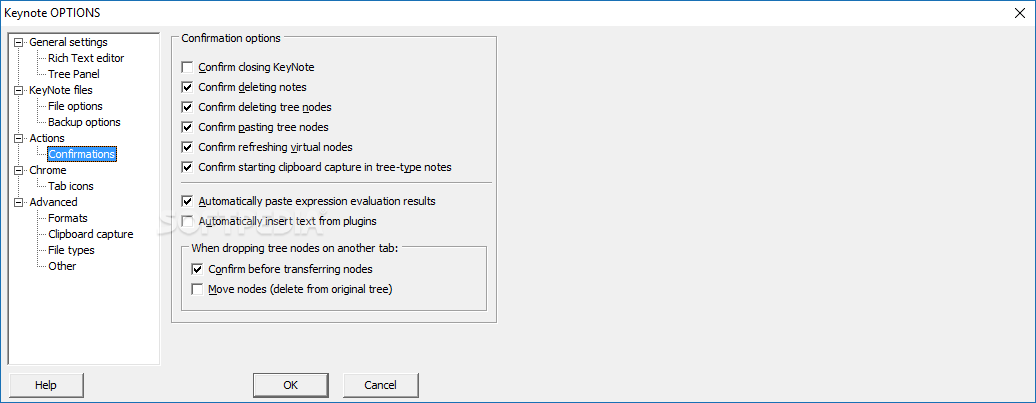
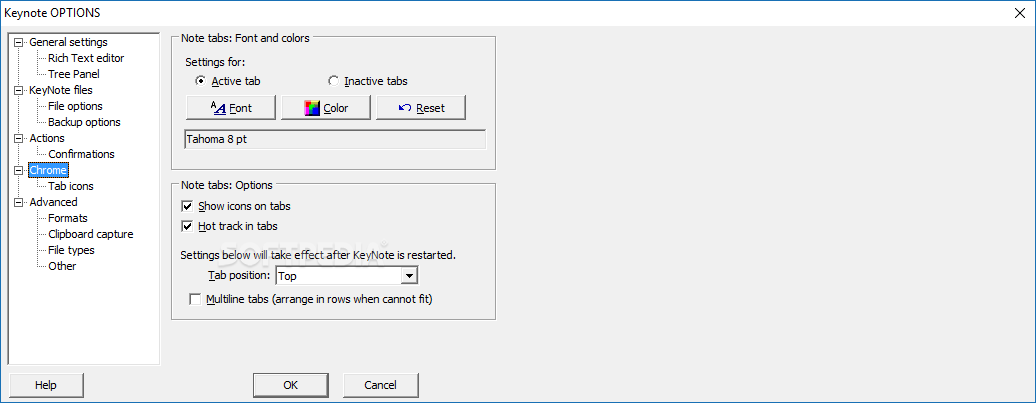
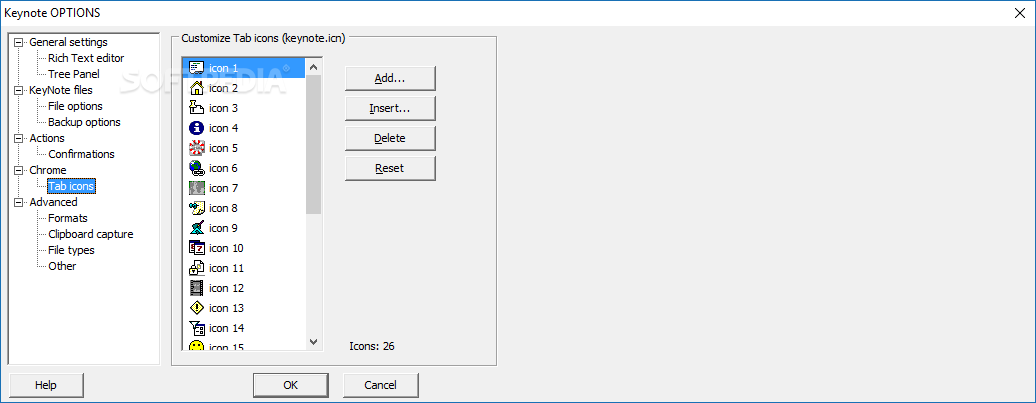
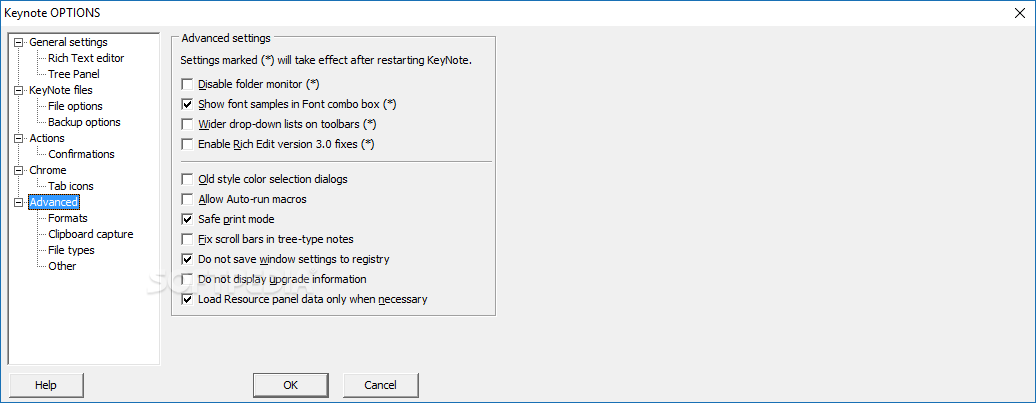
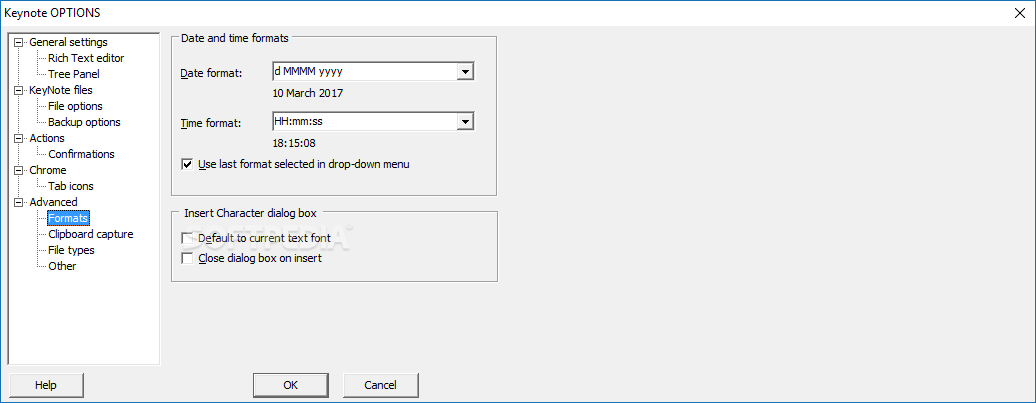
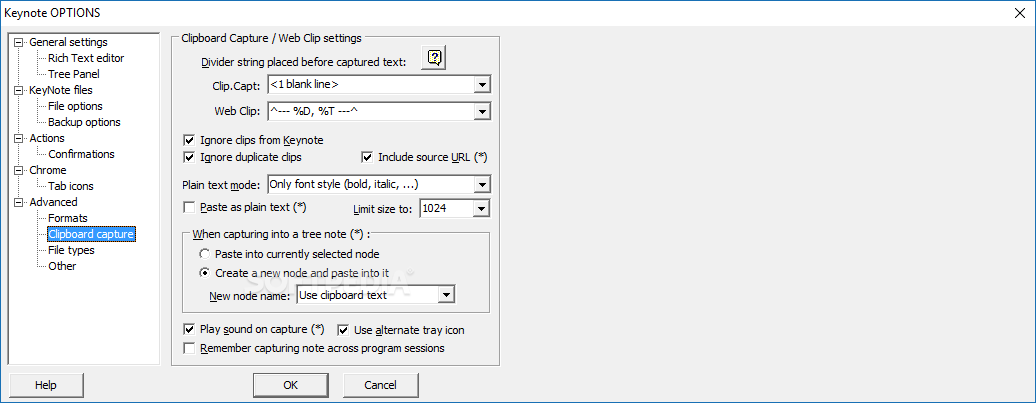
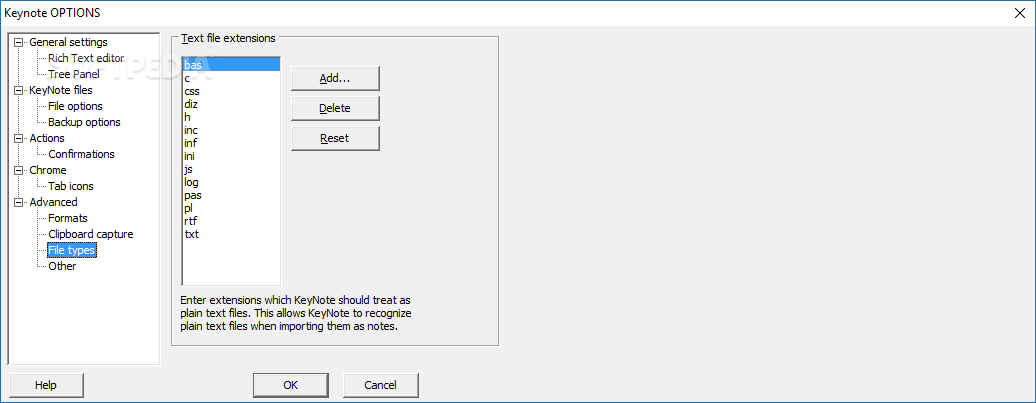
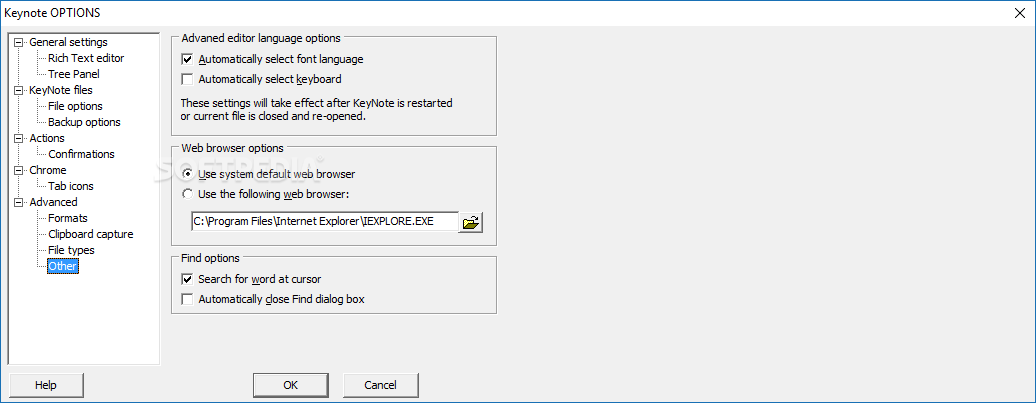
The interface has no shine to it but there are plenty of functions and options that could make a beginner think twice before trying to uncover all its features.
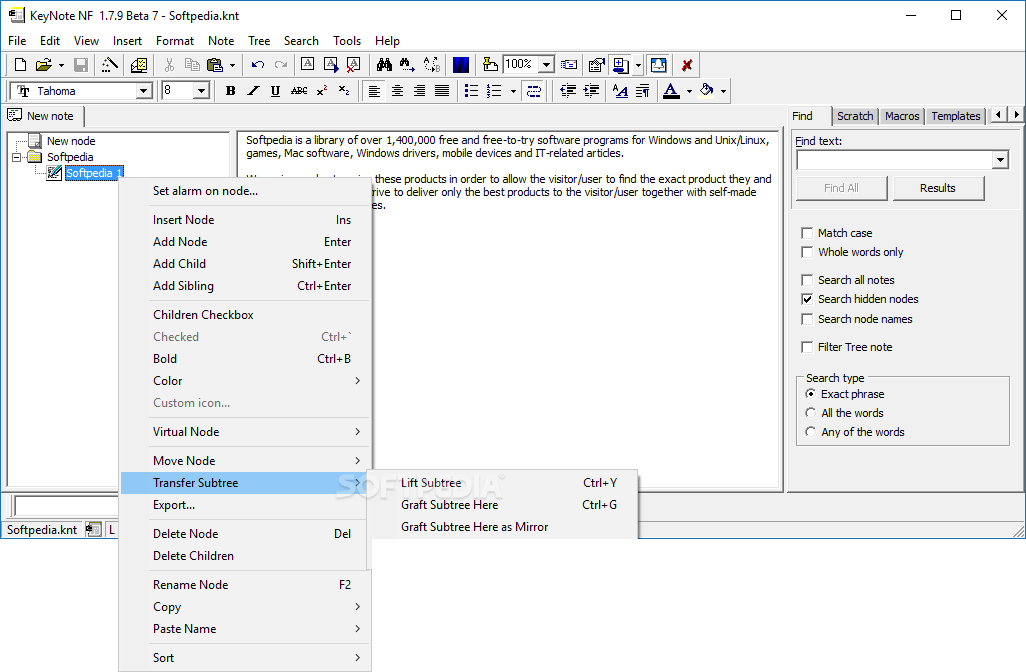
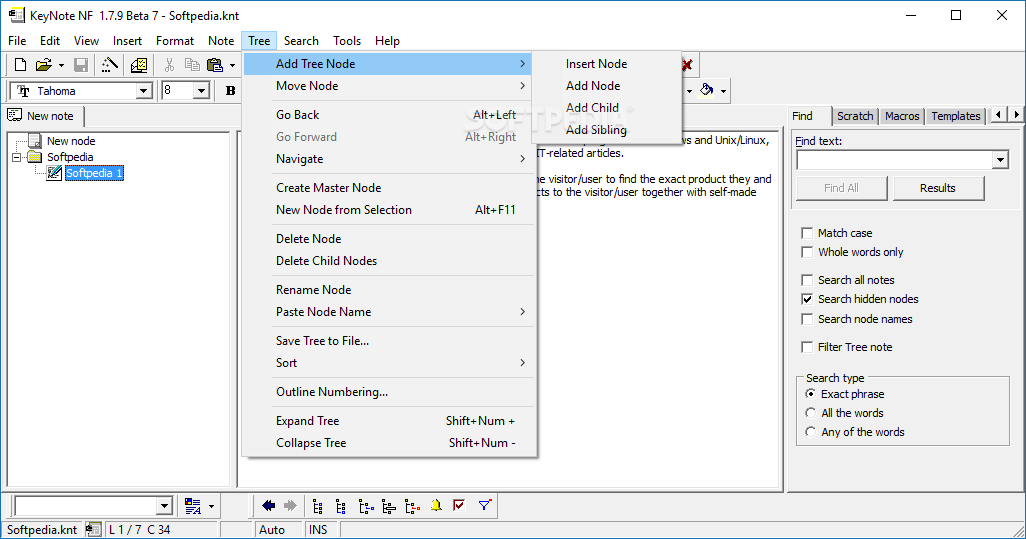
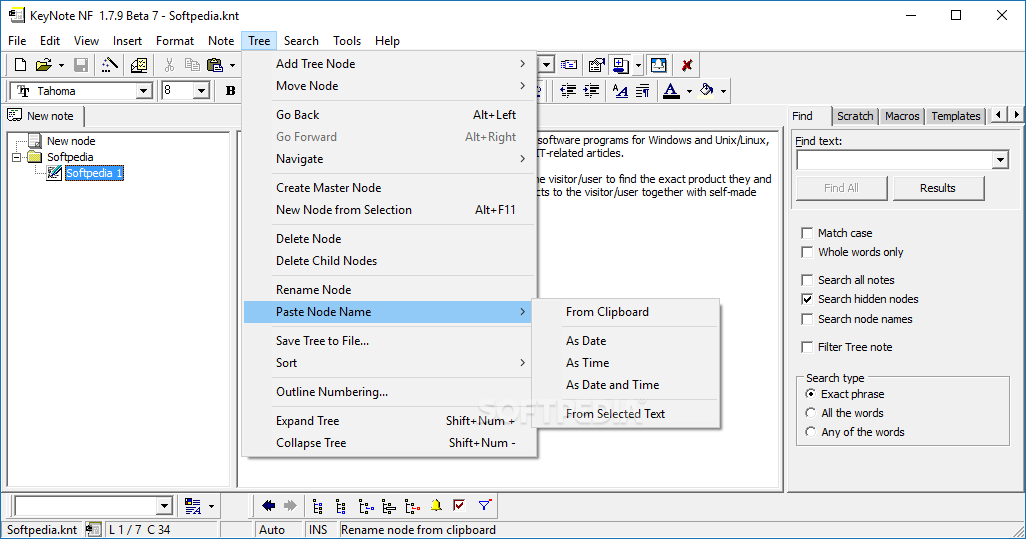
Each note is stored individually and it can include several nodes, which are actually separate text files. The advantage of this is that you can easily store multiple notes touching on the same subject in a single file.
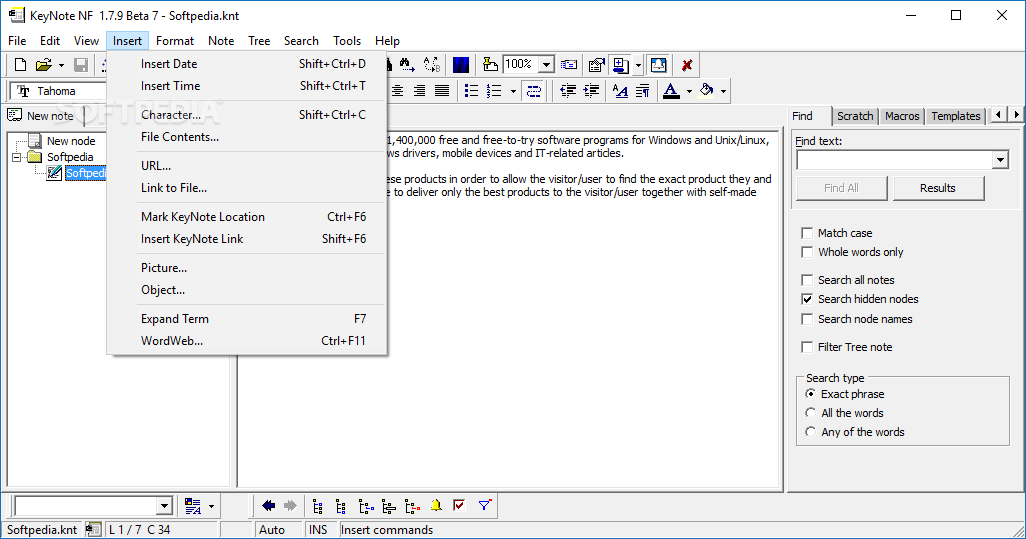
KeyNote NF can be used to create a structure that connects multiple texts by inserting links and locations. There is also a file manager that allows you to see all the notes available in a node.
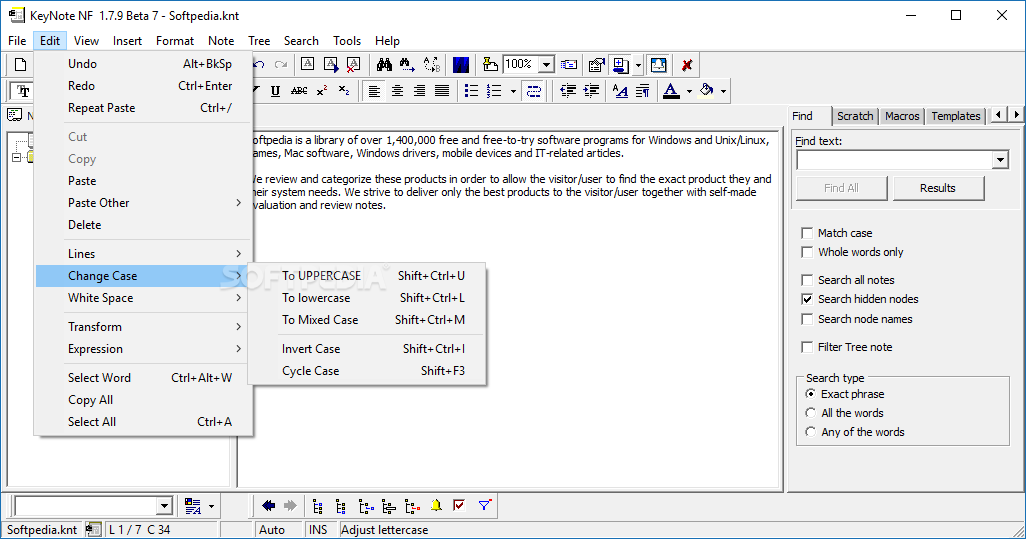
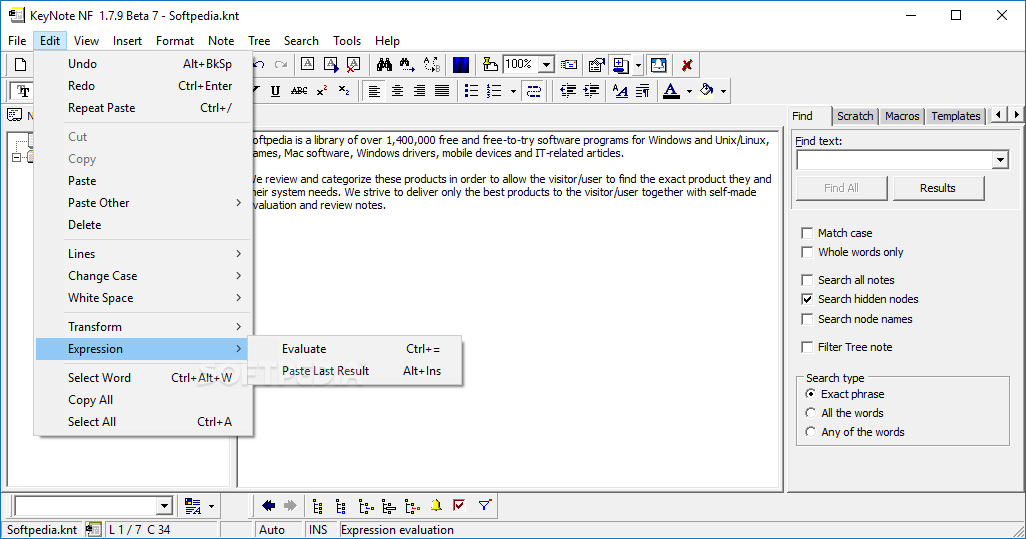
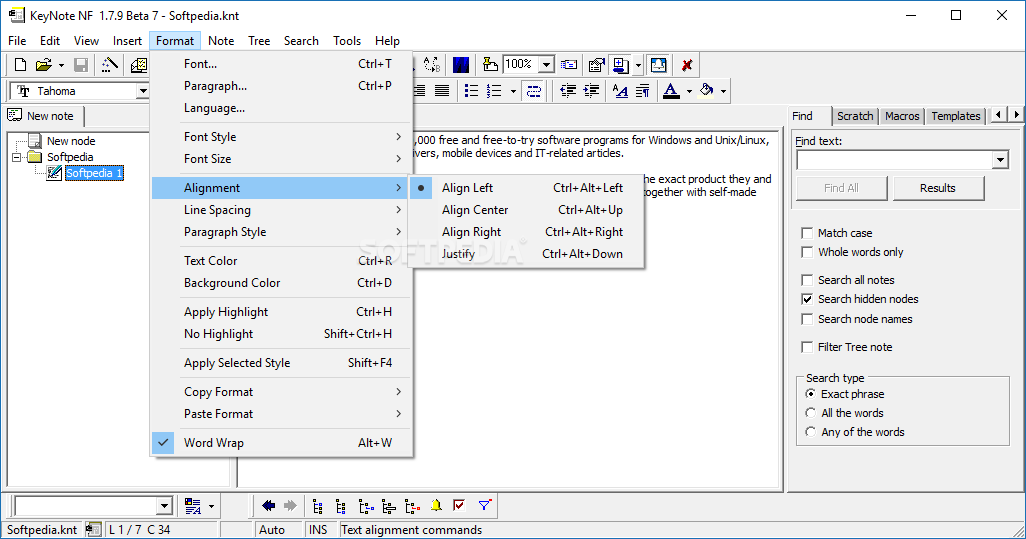
Apart from the basic text-related choices (changing font, size, formatting, alignment) there are also options for creating bullet or number styled lists as well as modifying the values for left/right indentation and customizing paragraph settings.
The functionality of the product extends beyond note-taking and includes the possibility to set up reminders and alarms. This feature is very flexible and provides options for saving events with multiple reminders.
KeyNote NF has support for recording, editing and playing macros in order to make routine tasks easier to handle.
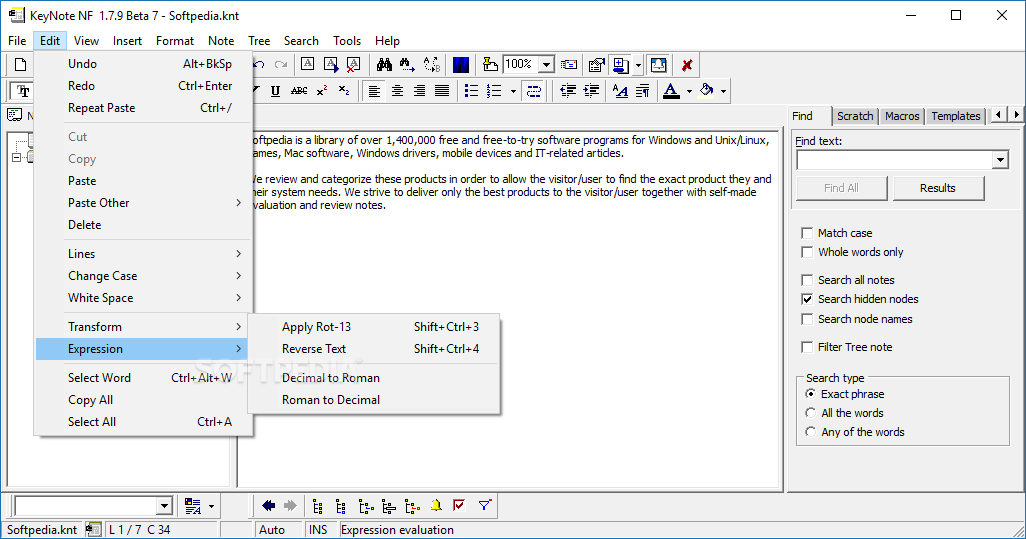
The application is more complex than a regular note-taking solution. It features the possibility to extend its functionality by adding plug-ins or cooperating with other software on the system, such as WordWeb dictionary or the spell-checking function in Microsoft Word.
What's new in KeyNote NF 1.9.2.1:
- Refactoring. Simple notes disappear -> Switch to using only Tree-Notes
- Change of terminology: Simple notes / Tree Notes + nodes ==> "Folders" with "notes"
KeyNote NF 1.9.2.1
add to watchlist add to download basket send us an update REPORT- PRICE: Free
- runs on:
-
Windows 11
Windows 10 32/64 bit
Windows 8 32/64 bit
Windows 7 32/64 bit - file size:
- 4.7 MB
- main category:
- Office tools
- developer:
- visit homepage
Microsoft Teams
Context Menu Manager
7-Zip
4k Video Downloader

Bitdefender Antivirus Free

Windows Sandbox Launcher

Zoom Client

ShareX
calibre
IrfanView
- ShareX
- calibre
- IrfanView
- Microsoft Teams
- Context Menu Manager
- 7-Zip
- 4k Video Downloader
- Bitdefender Antivirus Free
- Windows Sandbox Launcher
- Zoom Client