
Electronic wallet for managing incoming and outgoing bitcoin transactions as well as for protecting digital currency through encryption. #Cash system #Peer-to-peer transaction #Online payment #Cash #Finance #P2P
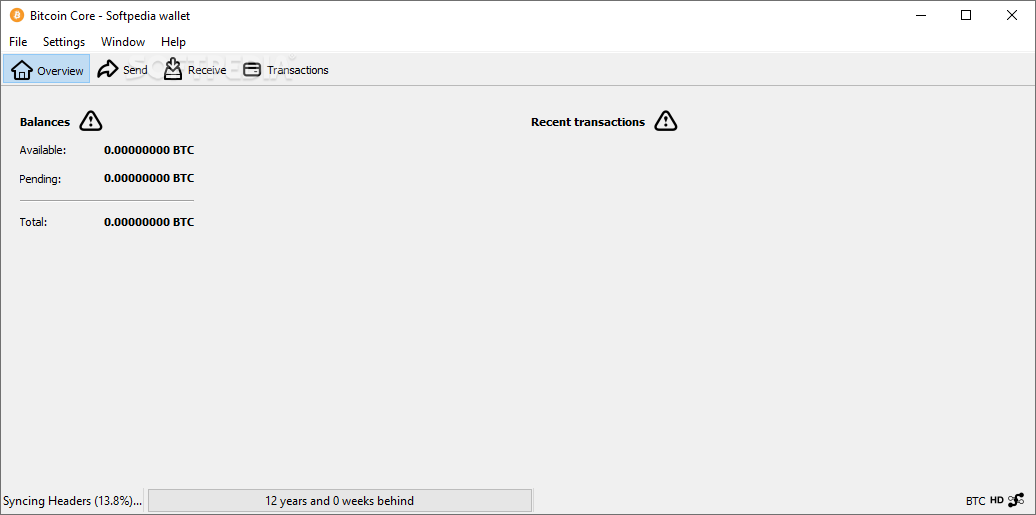
A bitcoin wallet is a software application that allows sending and receiving the digital currency. It also maintains a list of the transactions carried out and provide information about the current Bitcoin balance on your computer.
Although there are online solutions for storing the digital currency, an offline variant is more secure because it puts you in control over the protection of the money and allows making backups and storing them in safe locations.
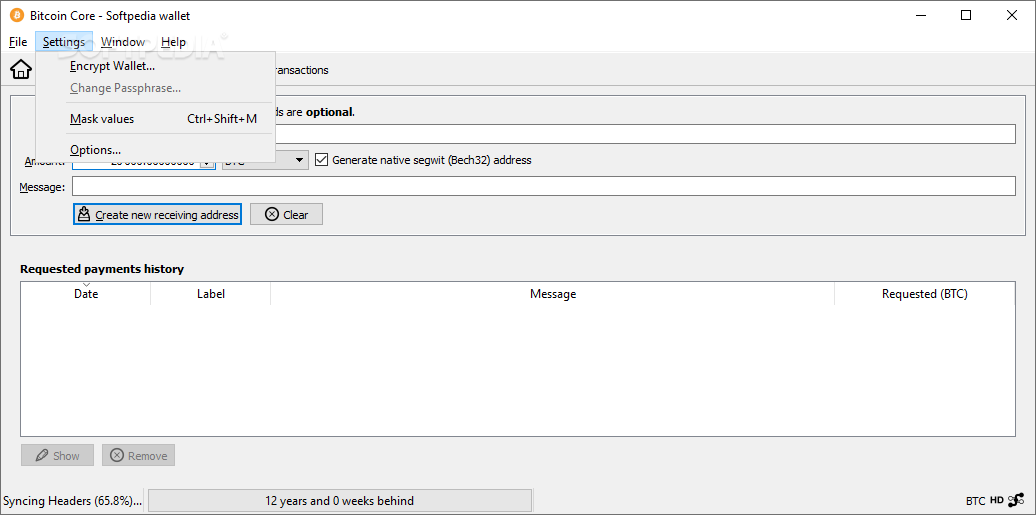
Bitcoin Core lacks any sort of complexity, especially for users already familiar with the system. A simple interface shows the current balance of the wallet after the history of the blocks of transaction has been synchronized.
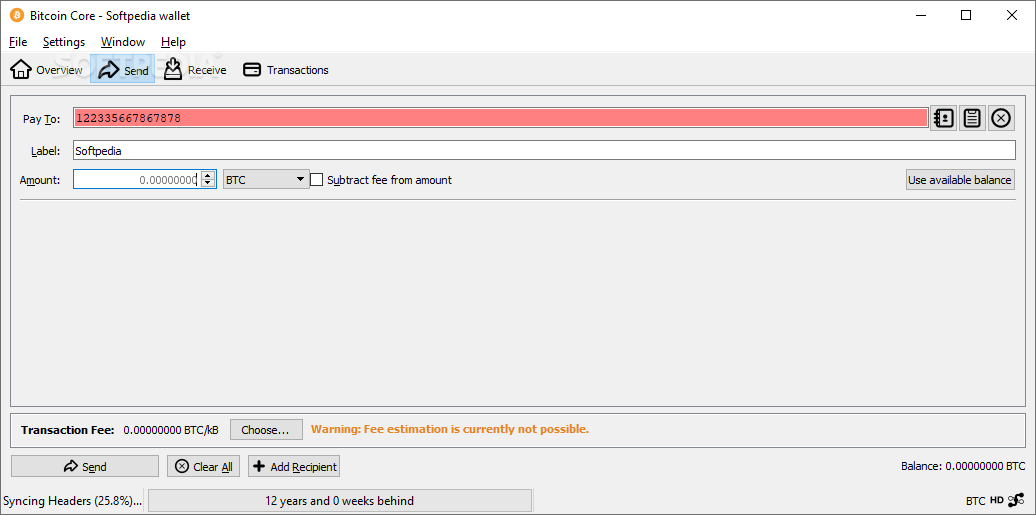
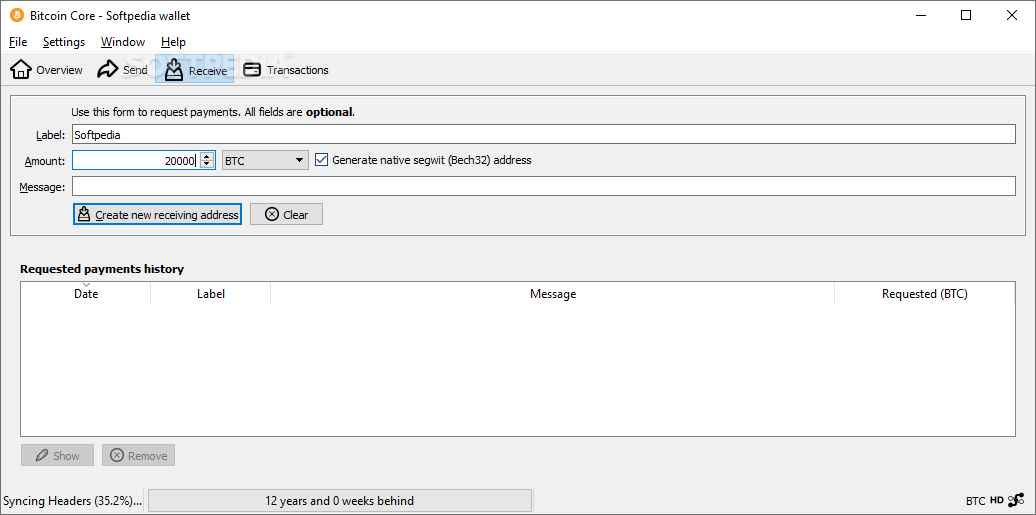
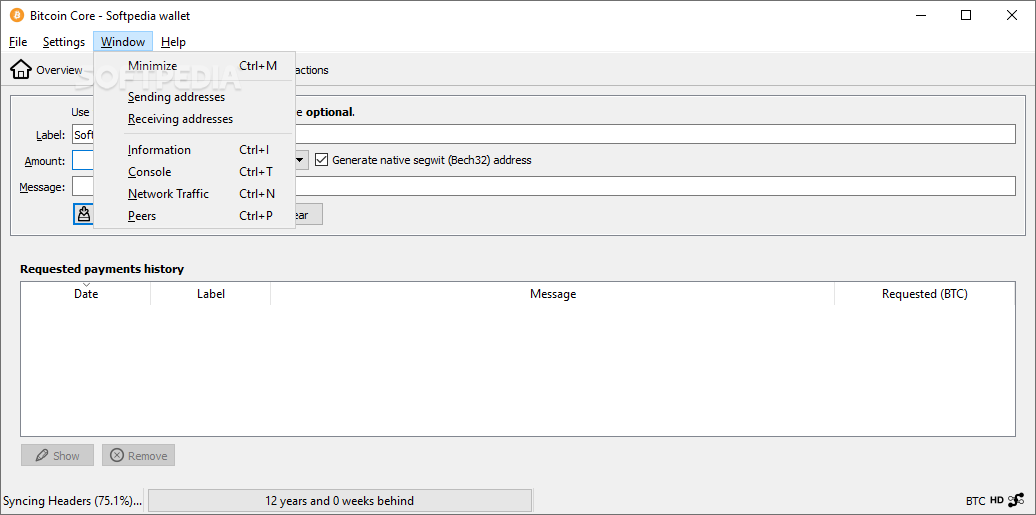
The set of options is comprehensible even for the uninitiated as the menus are clear as day, with separate sections for payment activities, either incoming or outgoing. Another area shows a list with all the transactions, which also includes the currency that has been mined.
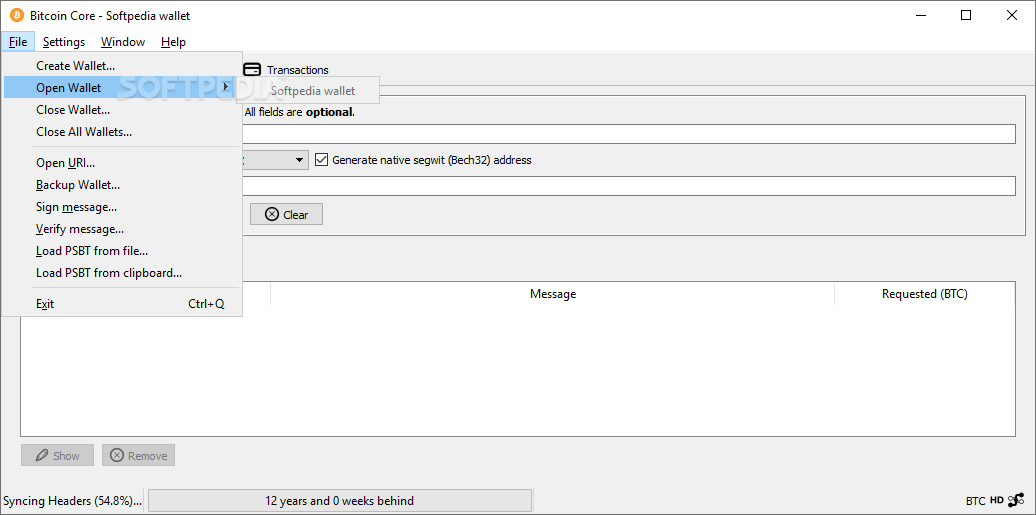
Among the benefits of a desktop bitcoin wallet is the possibility to back it up to a safe location, preferably offline, and Bitcoin Core makes no exception. Also available is the option to sign messages with your addresses in order to prove that you are the owner or to verify messages in order to avoid man-in-the-middle attacks.
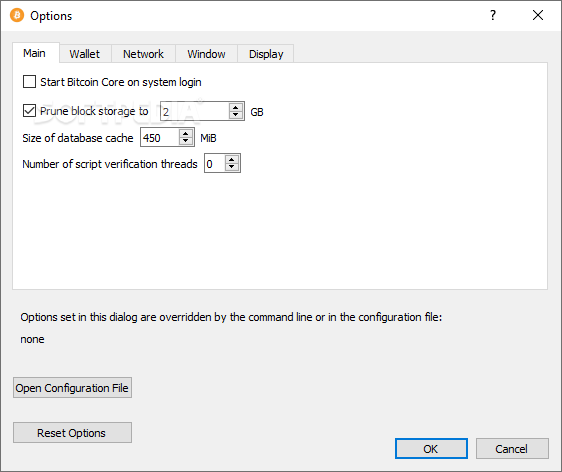
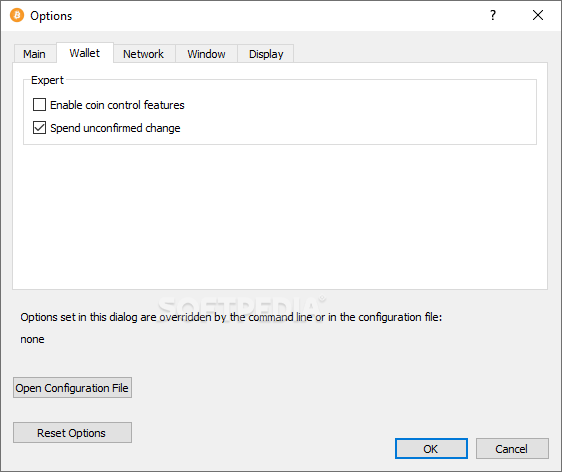
The configuration panel features choices relating to how the client starts on the system, the cache size of the database or enabling a transaction fee per KB to ensure faster processing.
Bitcoin Core is a simple way to manage your digital currency, initiate or receive payments. Even if you are not already familiar with the bitcoin exchange system working with it does not require any effort.
Before you engage in bitcoin transactions make sure you are well informed about the currency, such as the fact that the price is volatile, payments are irreversible and the system does not ensure anonymity.
Bitcoin Core 27.0
add to watchlist add to download basket send us an update REPORT- PRICE: Free
- runs on:
-
Windows 11
Windows 10 32/64 bit - file size:
- 30.4 MB
- filename:
- bitcoin-27.0-win64-setup.exe


- main category:
- Others
- developer:
- visit homepage
IrfanView

Microsoft Teams
4k Video Downloader
ShareX
Context Menu Manager
7-Zip
Bitdefender Antivirus Free
Windows Sandbox Launcher
calibre
Zoom Client
- Windows Sandbox Launcher
- calibre
- Zoom Client
- IrfanView
- Microsoft Teams
- 4k Video Downloader
- ShareX
- Context Menu Manager
- 7-Zip
- Bitdefender Antivirus Free