
What you are about to download is the core of all the Linux operating systems in the world #Linux kernel #Linux core #Kernel linux #Kernel #Linux #Core
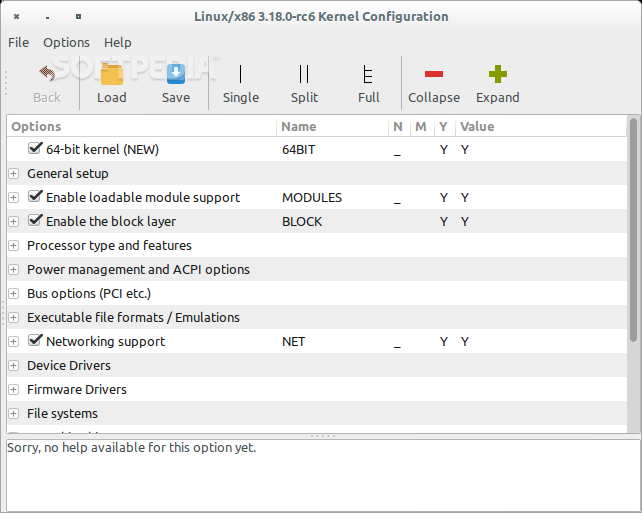
Linux kernel is the essential part of any Linux operating system. It is responsible for resource allocation, low-level hardware interfaces, security, simple communications, basic file system management, and more. Written from scratch by Linus Torvalds (with help from various developers), Linux is a clone of the UNIX operating system. It is geared towards POSIX and Single UNIX Specification compliances.
Linux provides users with powerful features, such as true multitasking, multistack networking, shared copy-on-write executables, shared libraries, demand loading, virtual memory, and proper memory management.
Initially designed only for 386/486-based computers, now Linux supports a wide range of architectures, including 64-bit (IA64, AMD64), ARM, ARM64, DEC Alpha, MIPS, SUN Sparc, PowerPC, as well as Amiga and Atari machines.
The most essential component of a Linux-based operating system is the Linux kernel. Without it, the entire system (libraries, applications, etc.) is useless. When creating a Linux distribution, it is also very important to know how to correctly optimize the Linux kernel package, in order to make it support certain hardware components or recognize a specific device.
Once should not be confused by the many stable branches of the Linux kernel, as they are available for different purposes. For example, there are several LTS (Long Term Support) branches that can be used to deploy very stable Linux operating systems.
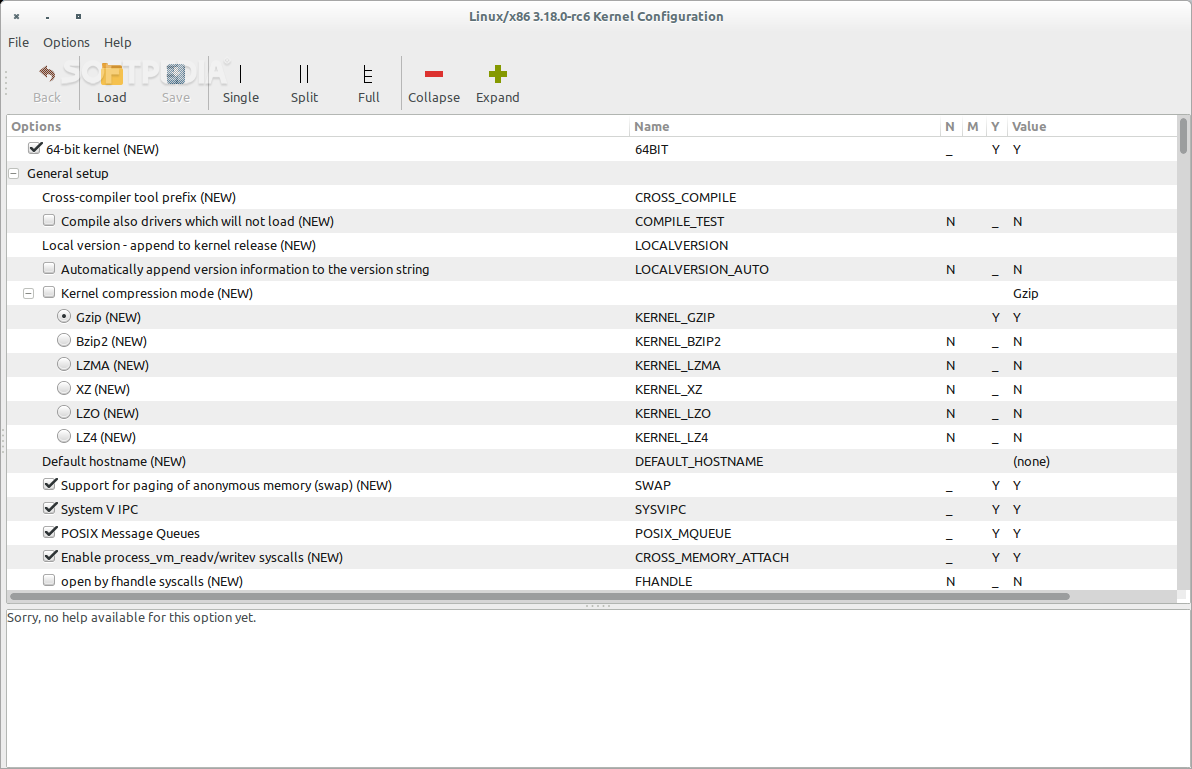
These days, major Linux distribution developers provide users with optimized kernel packages for different purposes. However, advanced users can configure, compile and install their own kernels directly from the source packages at any point (all you need is a supported GCC compiler).
The Linux kernel is the heart of a Linux distribution. If you are a long time Linux user, you may have stumbled across upgrades to the default Linux kernel packages, which lead to better support for certain hardware components or peripherals.
Linux Kernel 5.4.13 / 5.5 RC7
add to watchlist add to download basket send us an update REPORT- runs on:
- Linux
- filename:
- linux-5.5-rc7.tar.gz
- main category:
- System
- developer:
- visit homepage
Microsoft Teams 24060.3102.2733.5911 Home / 1.7.00.10152 Work
7-Zip 23.01 / 24.04 Beta
Context Menu Manager 3.3.3.1
Zoom Client 6.0.4.38135
4k Video Downloader 1.6.0.0085 Plus / 4.30.0.5655

ShareX 16.0.1
Windows Sandbox Launcher 1.0.0
calibre 7.10.0

Bitdefender Antivirus Free 27.0.35.146

IrfanView 4.67

- calibre
- Bitdefender Antivirus Free
- IrfanView
- Microsoft Teams
- 7-Zip
- Context Menu Manager
- Zoom Client
- 4k Video Downloader
- ShareX
- Windows Sandbox Launcher